Philips IC’s for Compact Disc Player Servo Control R0180 and R0182
Philips ICs for Compact Disc Player Servo Control R0180 (TDA5708) and R0182 (TDA5709)
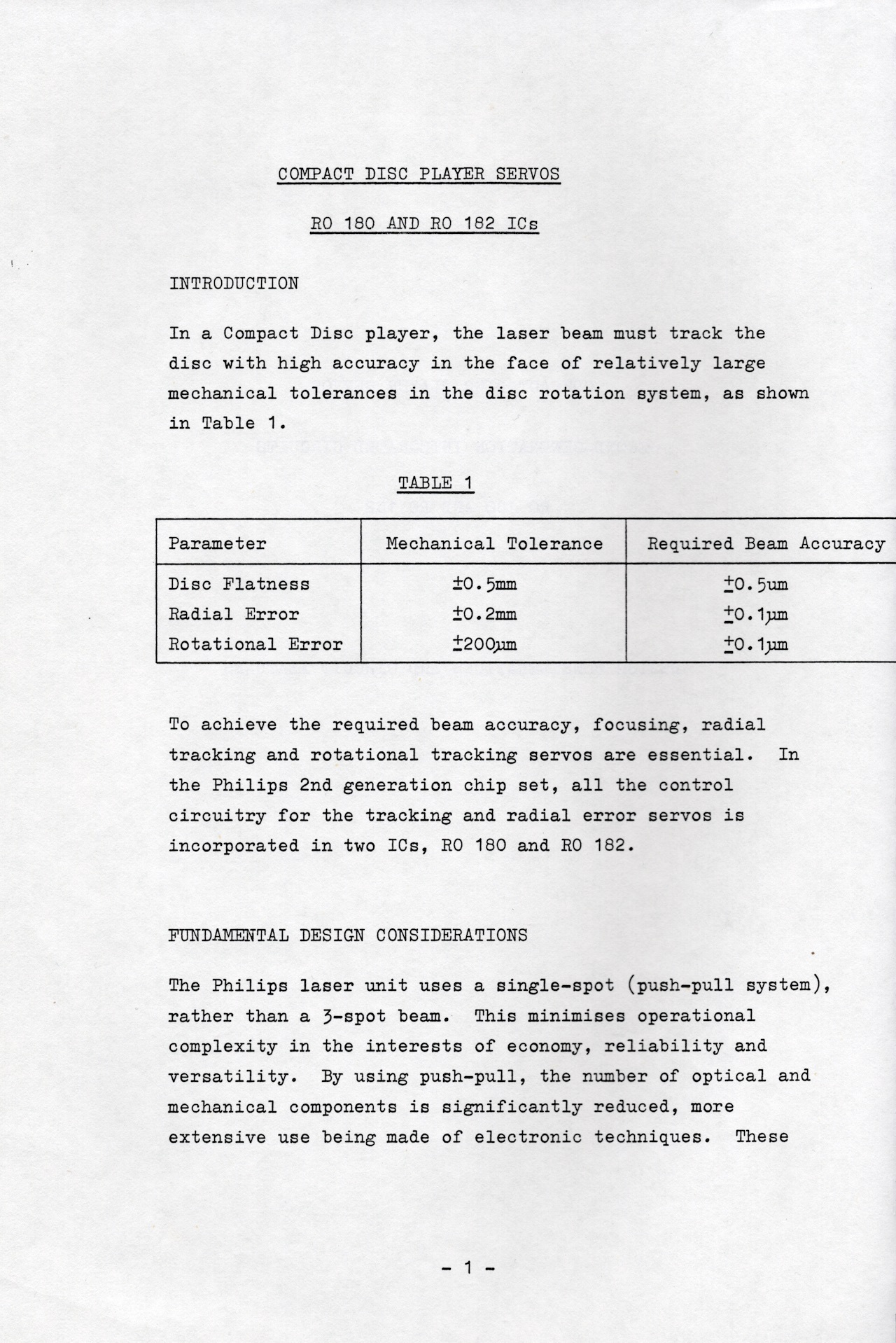
In the new Philips Compact Disc player integrated circuit (chip) set, the tracking and focussing servo control functions are integrated to a very high degree in two ICs, R0180 and R0182.
This successful application of IC techniques improves performance, cuts down on setting-up procedures and simplifies player design and manufacture. Few external components (only 10 in the case of the R0182) are needed to complete the circuitry. Provision is made for either dual or single power supplies, so that these ICs can be used in both normal (mains driven) and car players.
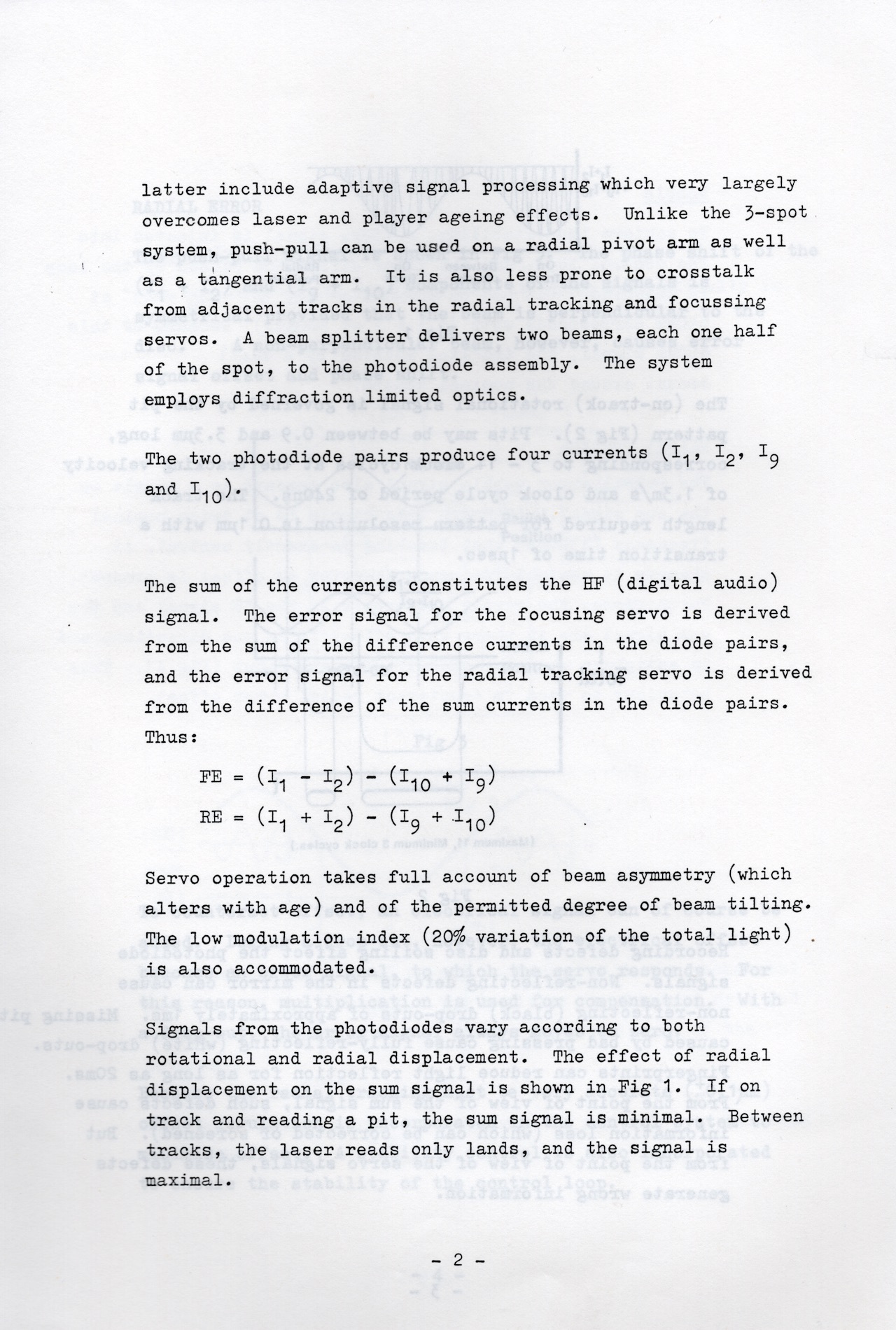
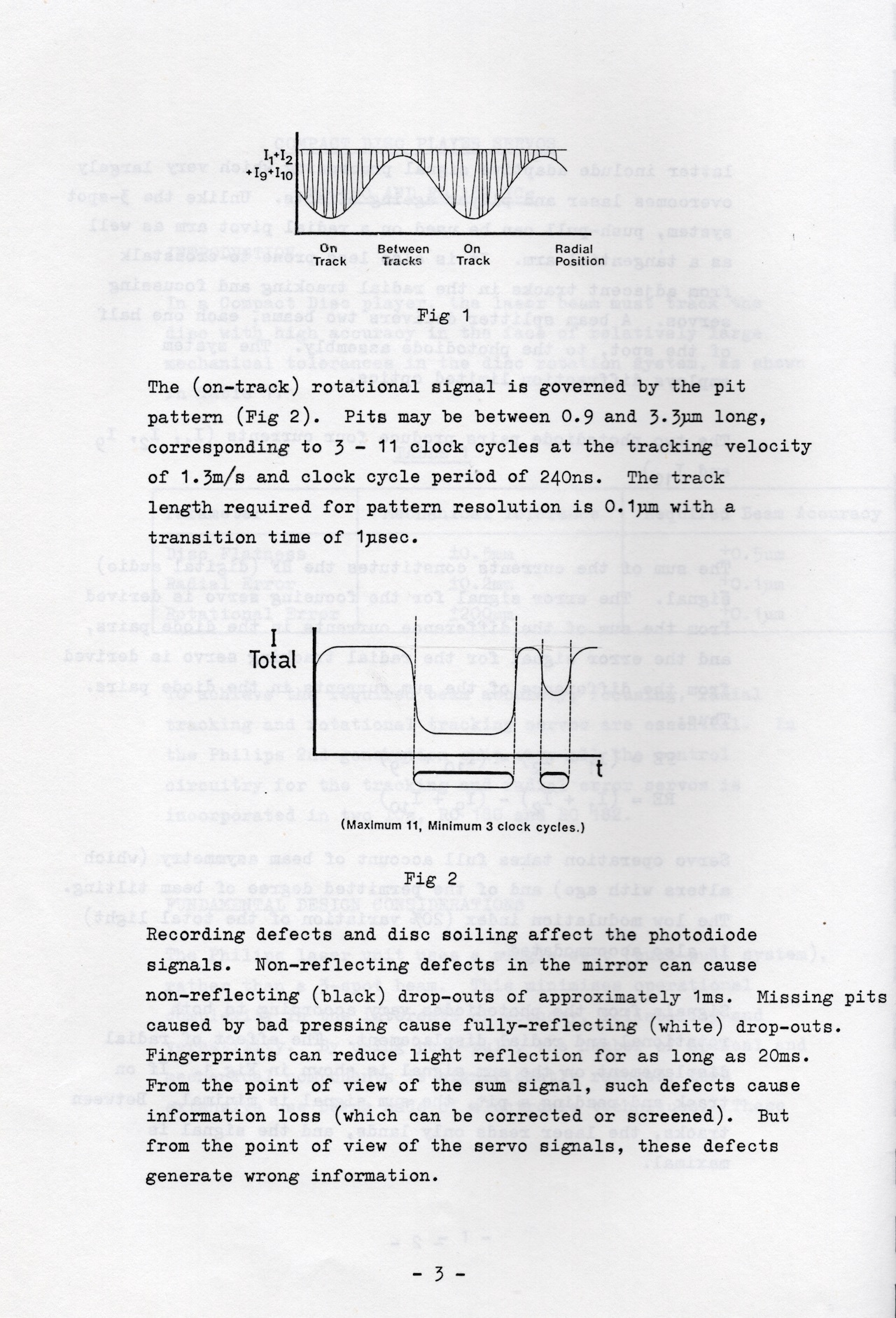
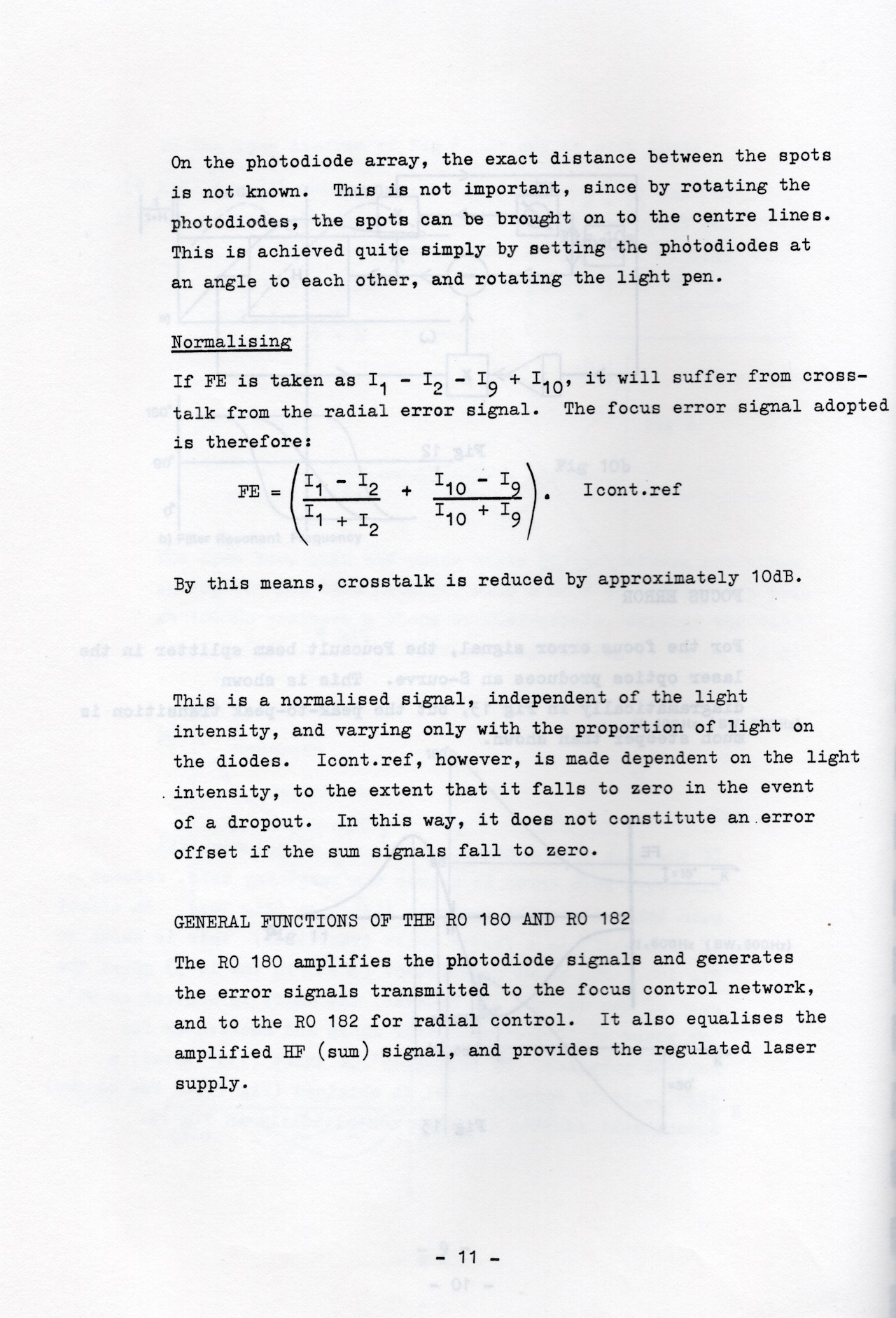
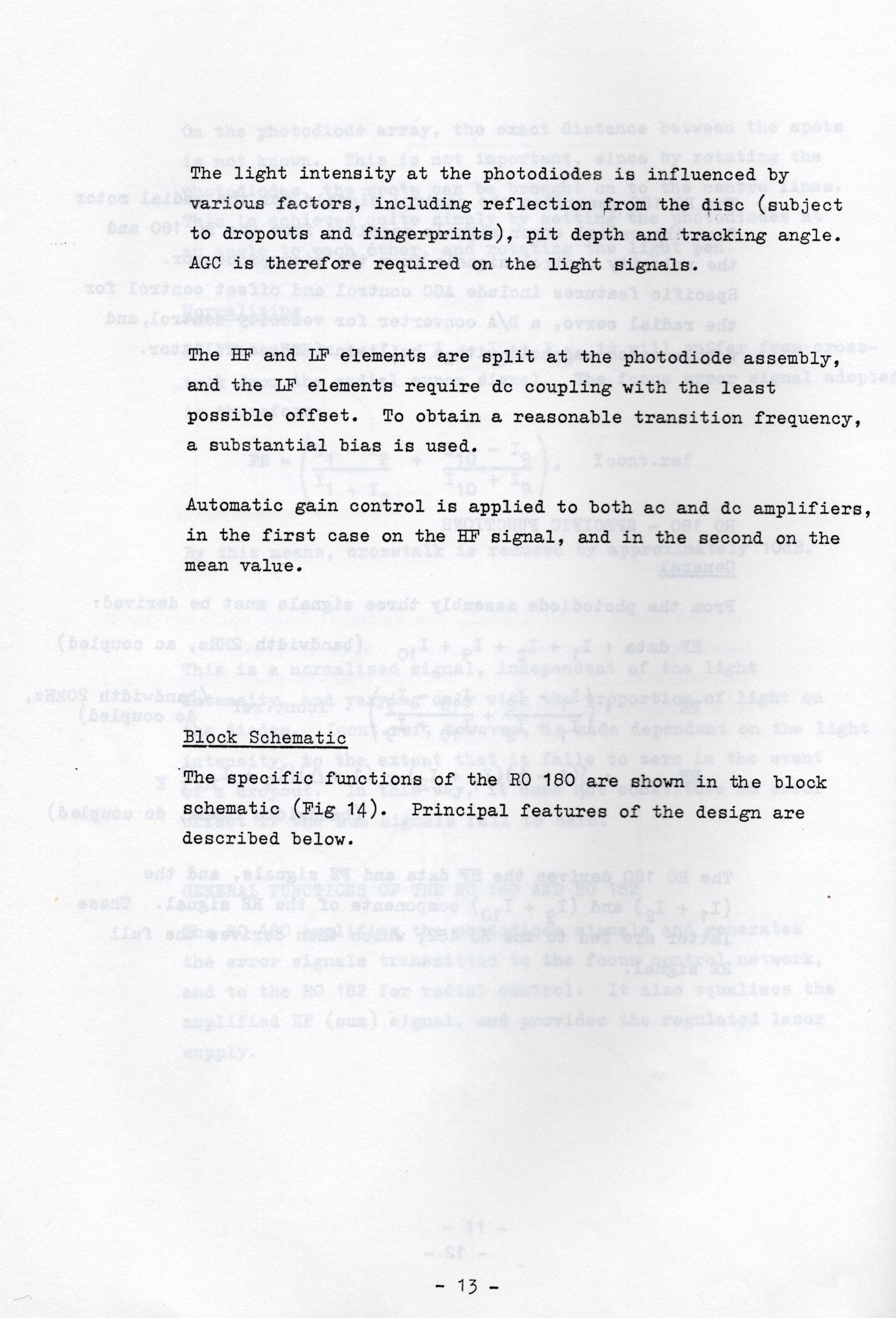
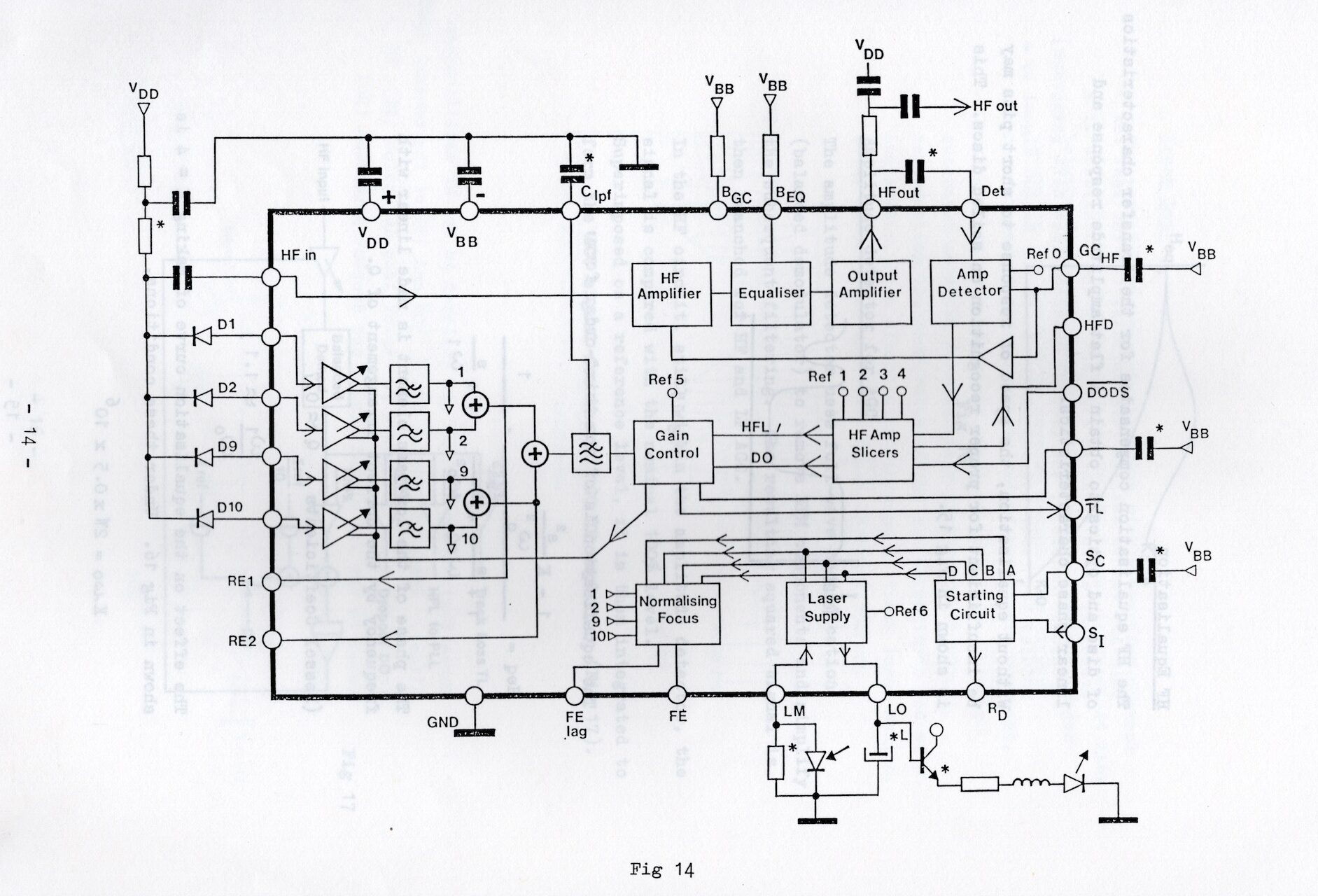
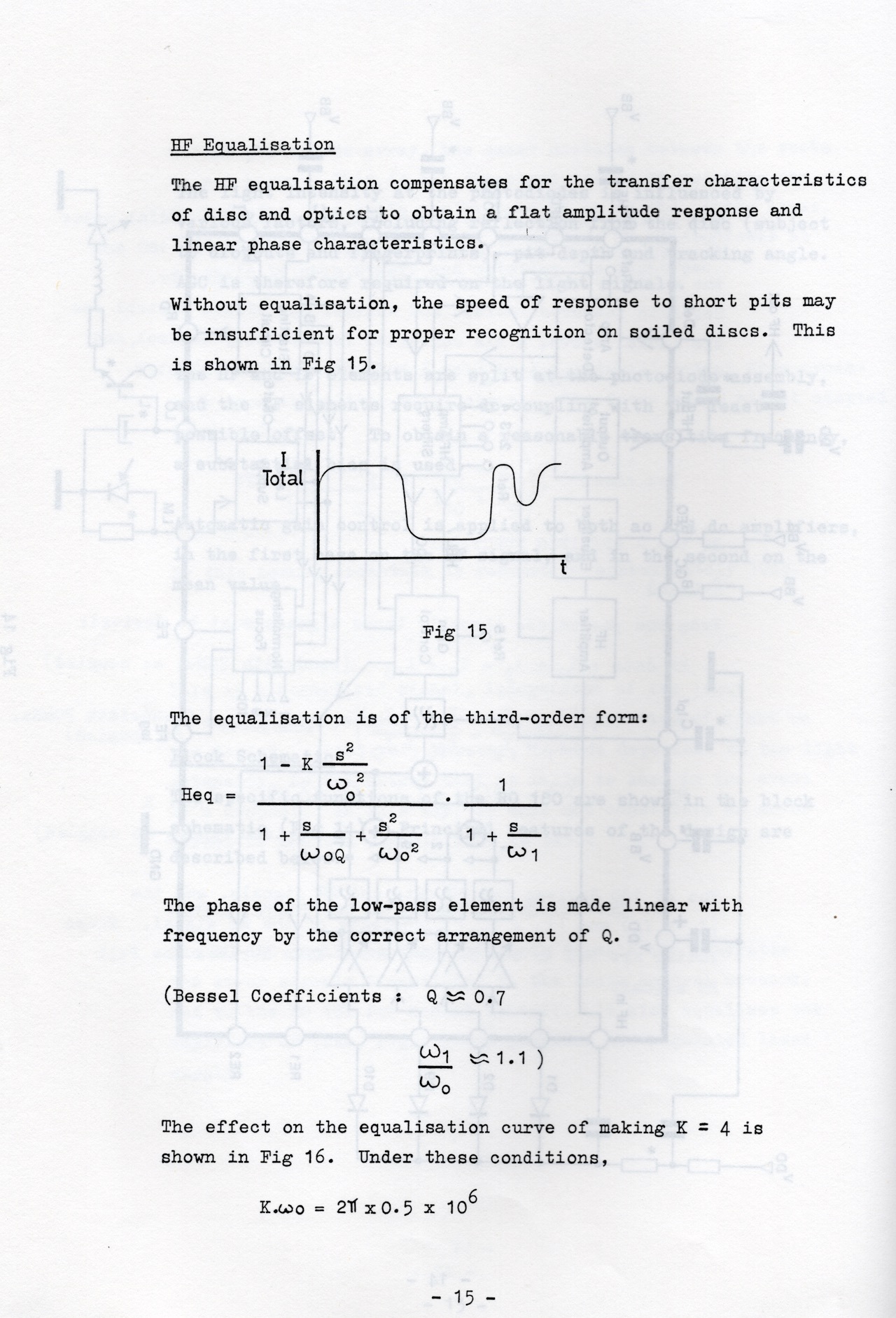
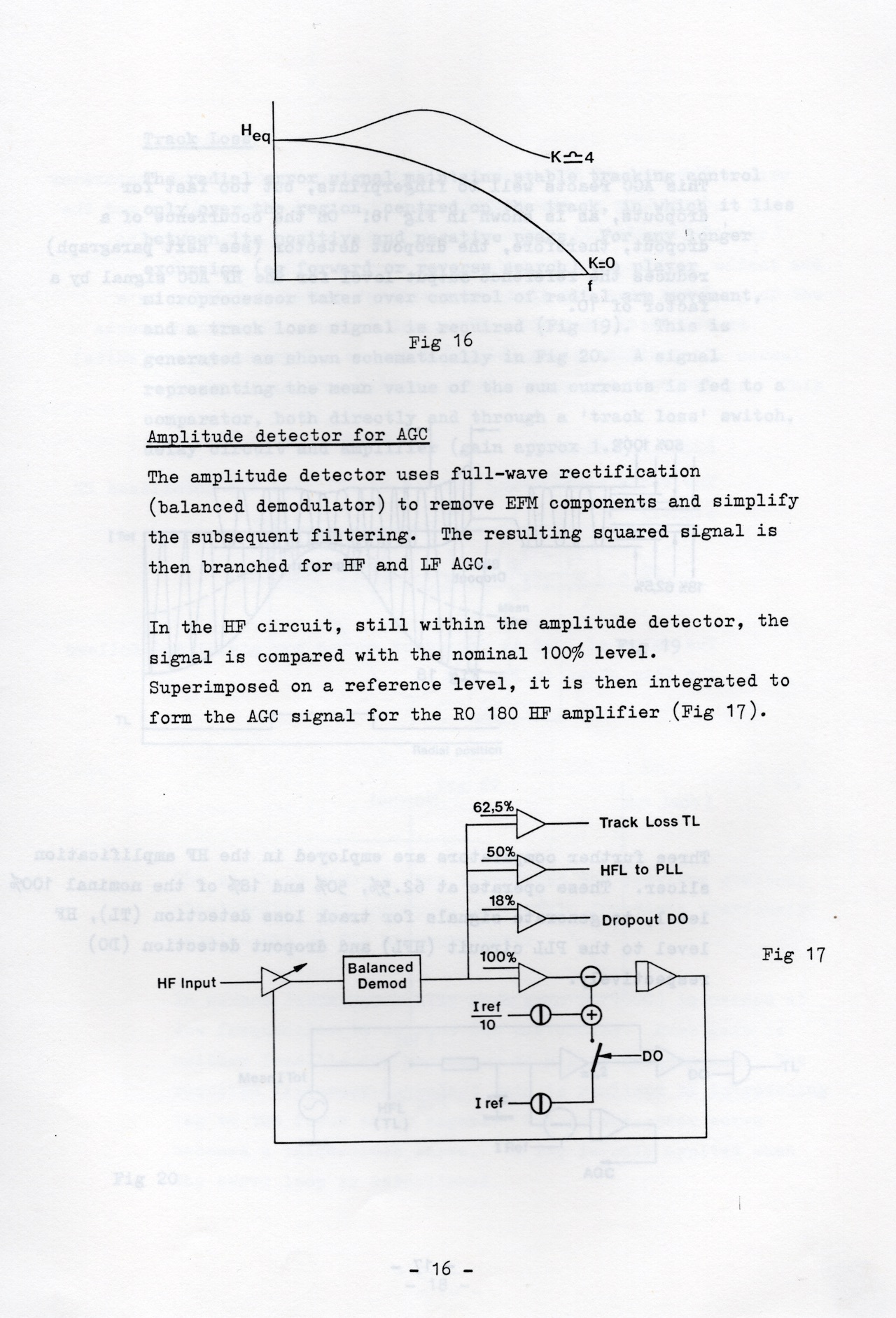
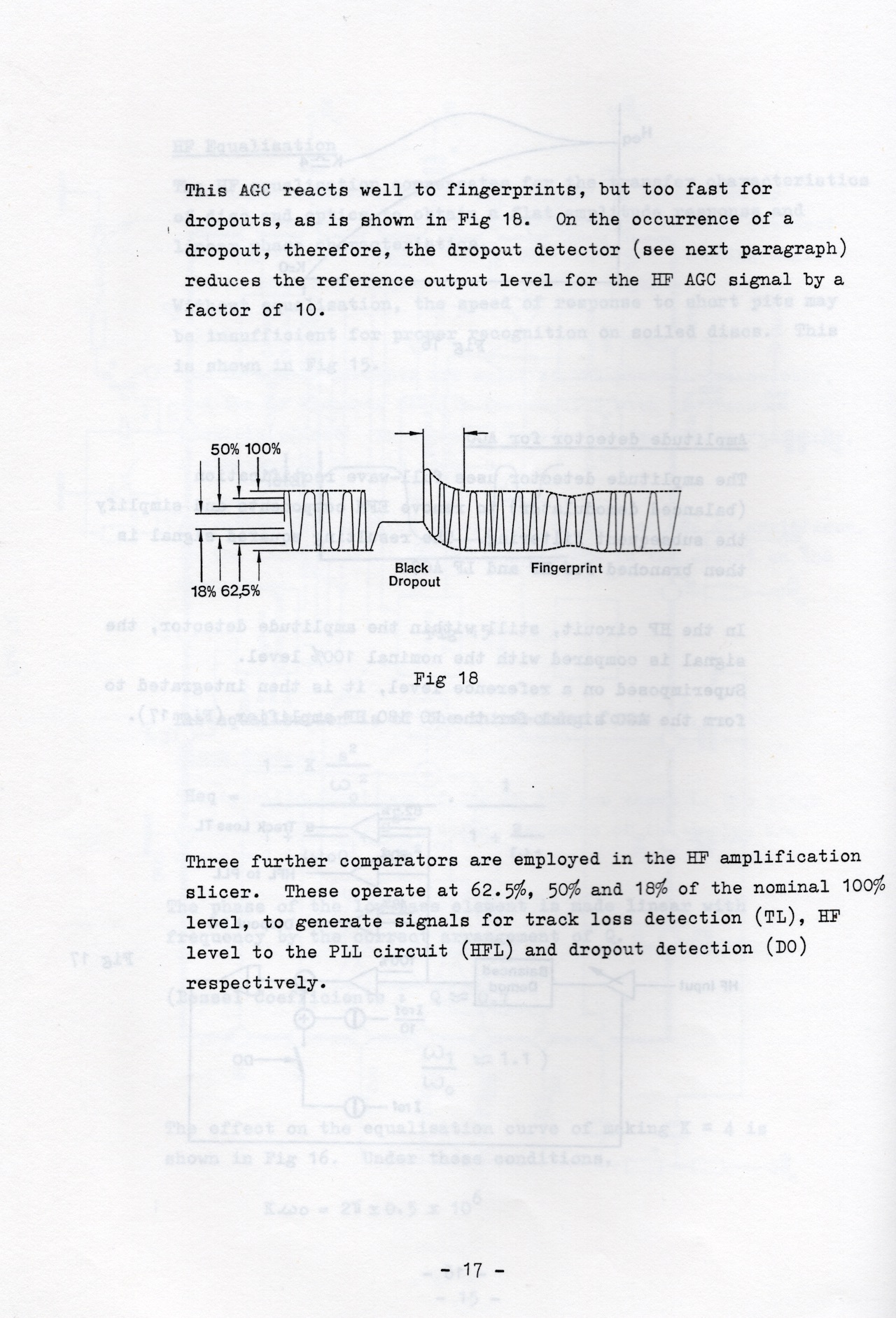
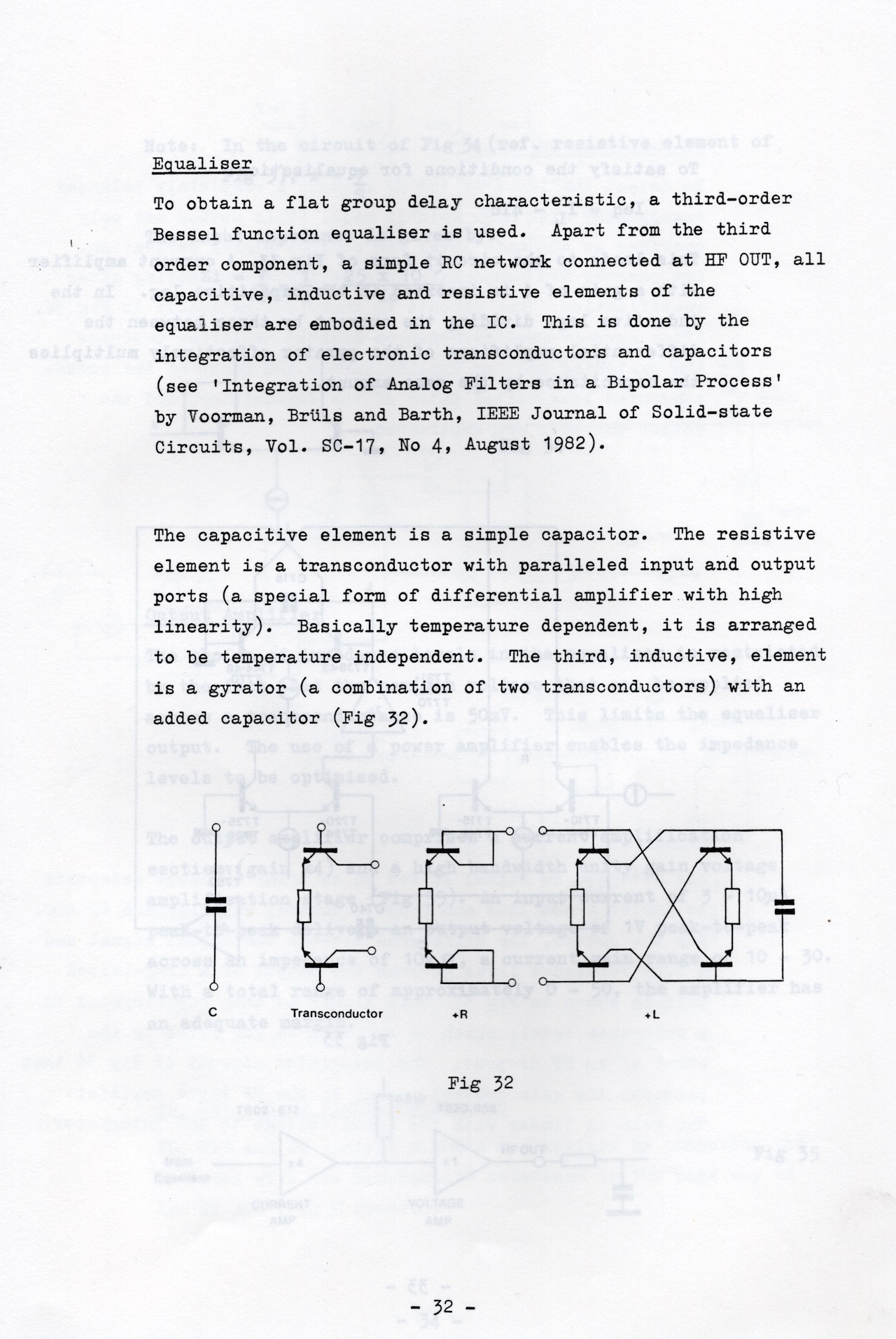
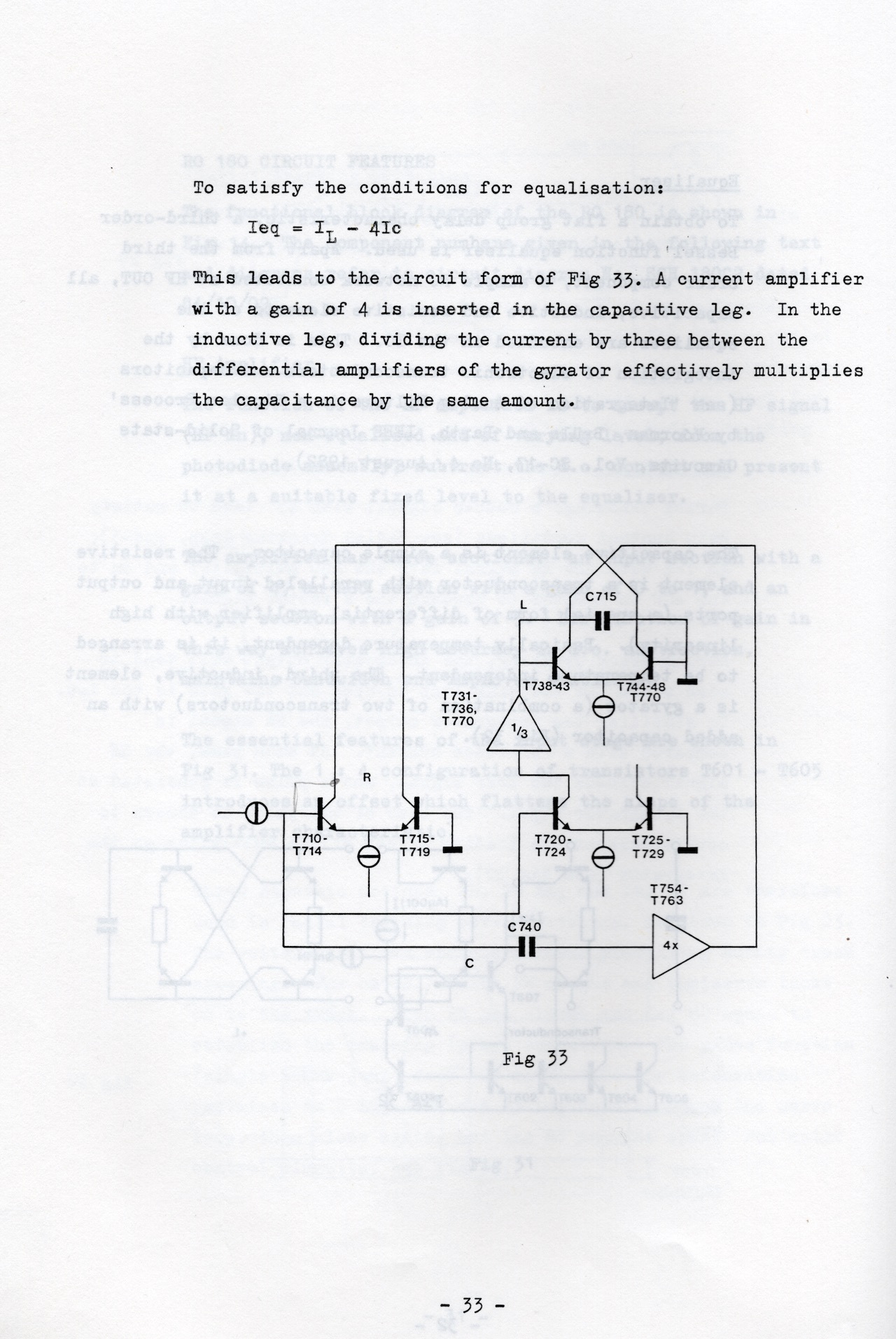
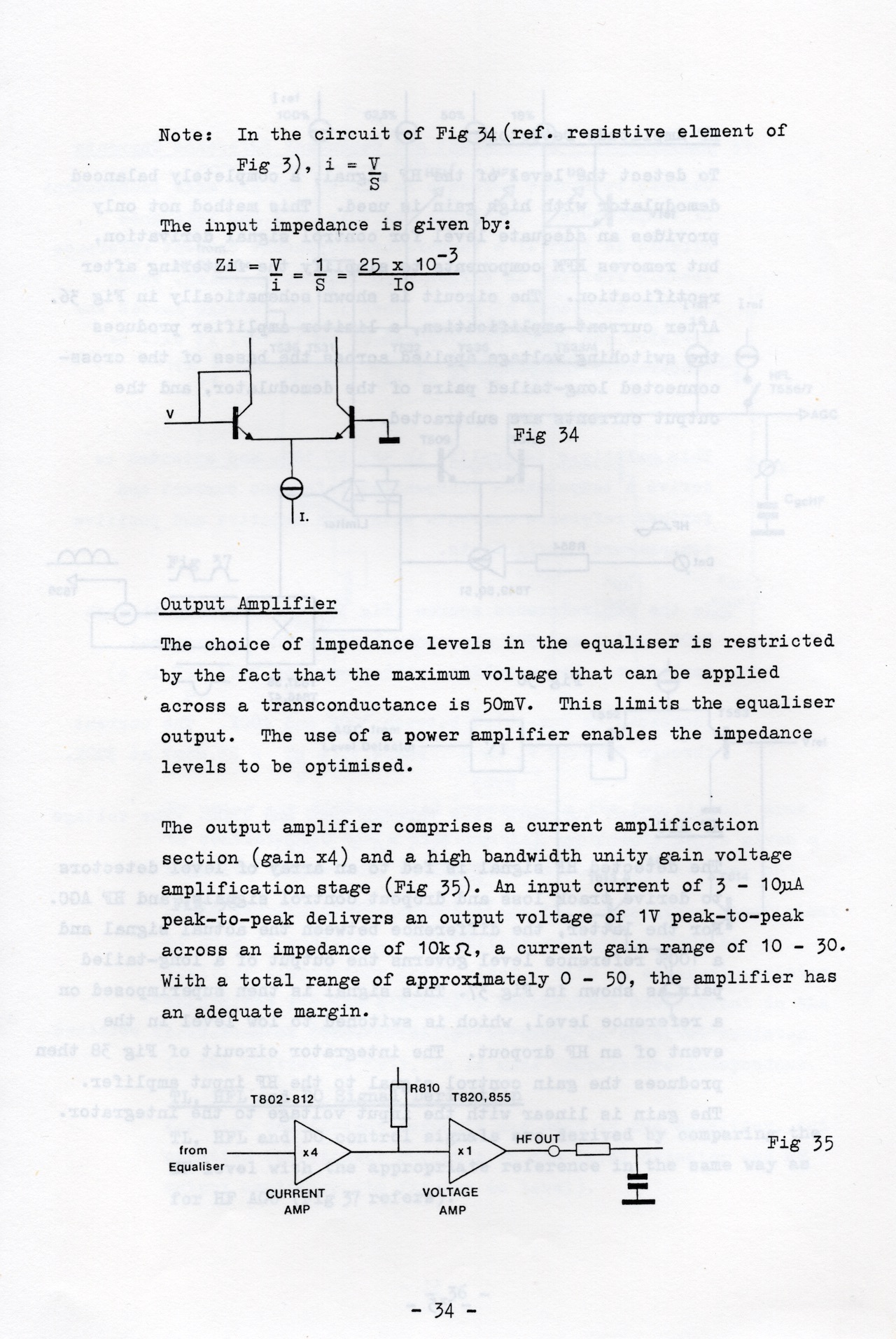
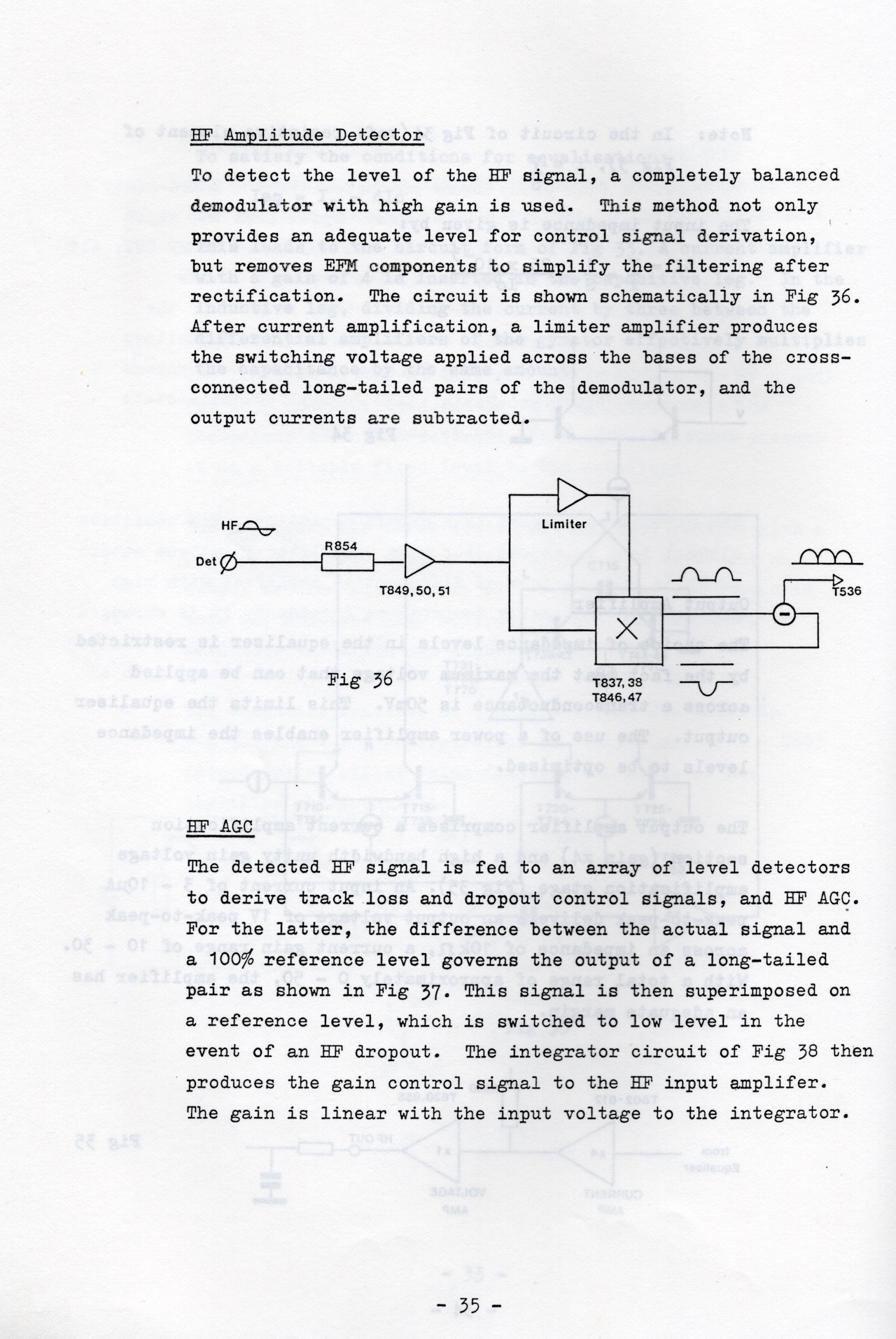
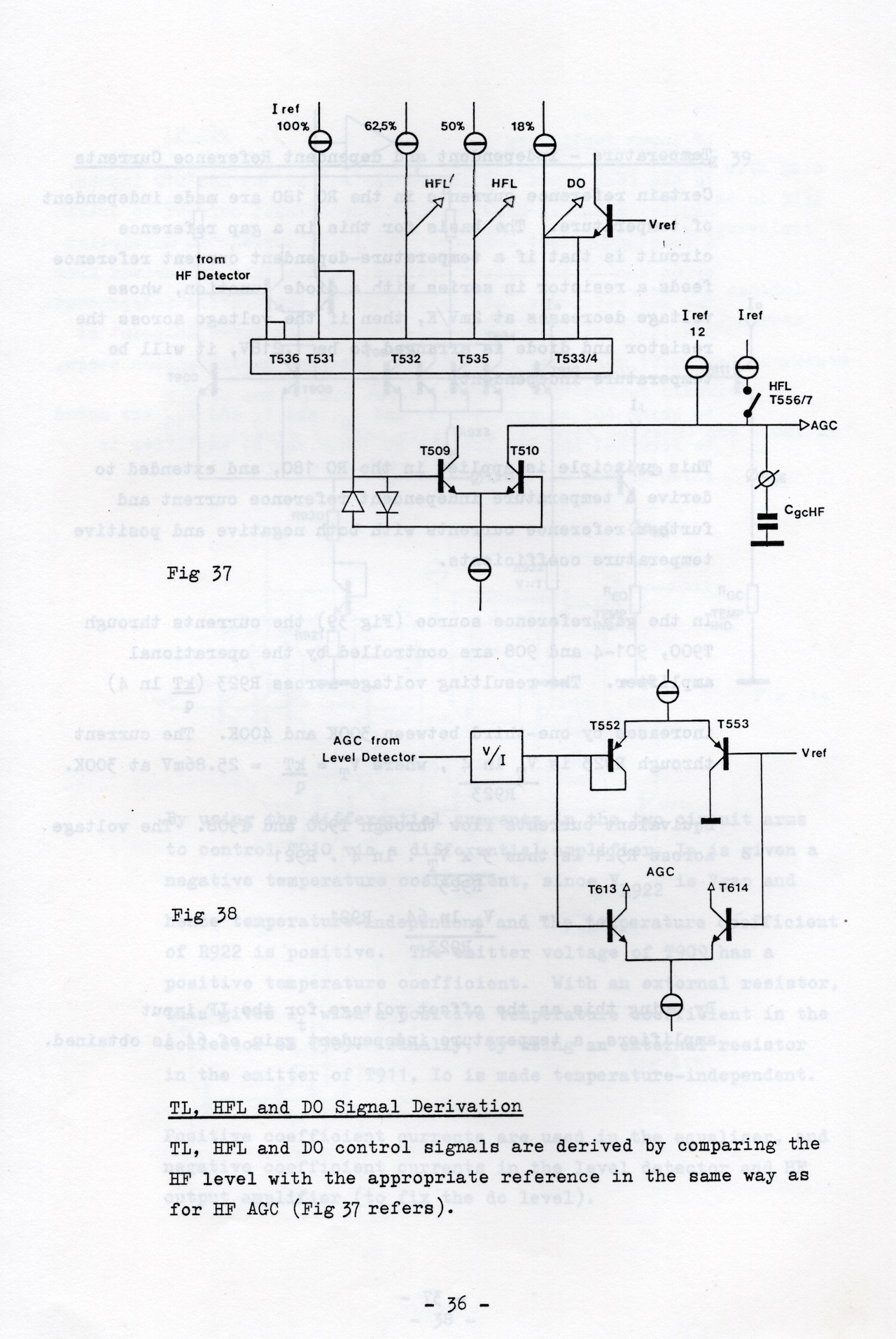
The R0180 amplifies the photodiode signals and generates the error signals transmitted to the focus control network and to the R0182 for radial control. It also equalises the amplified HF (sum) signal, and provides the regulated laser supply.
Particularly interesting features include:
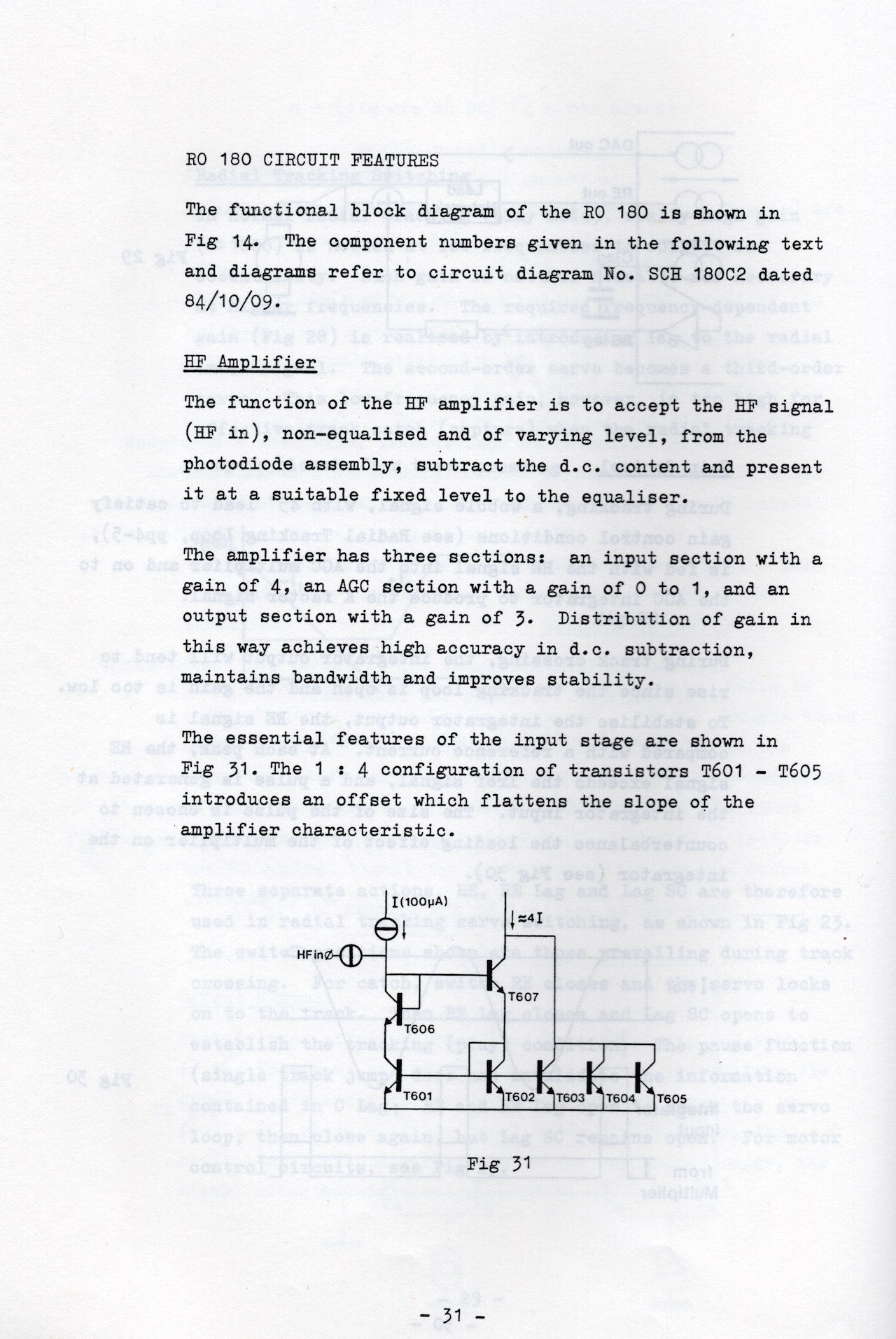
– Data amplifier with equaliser and AGC.
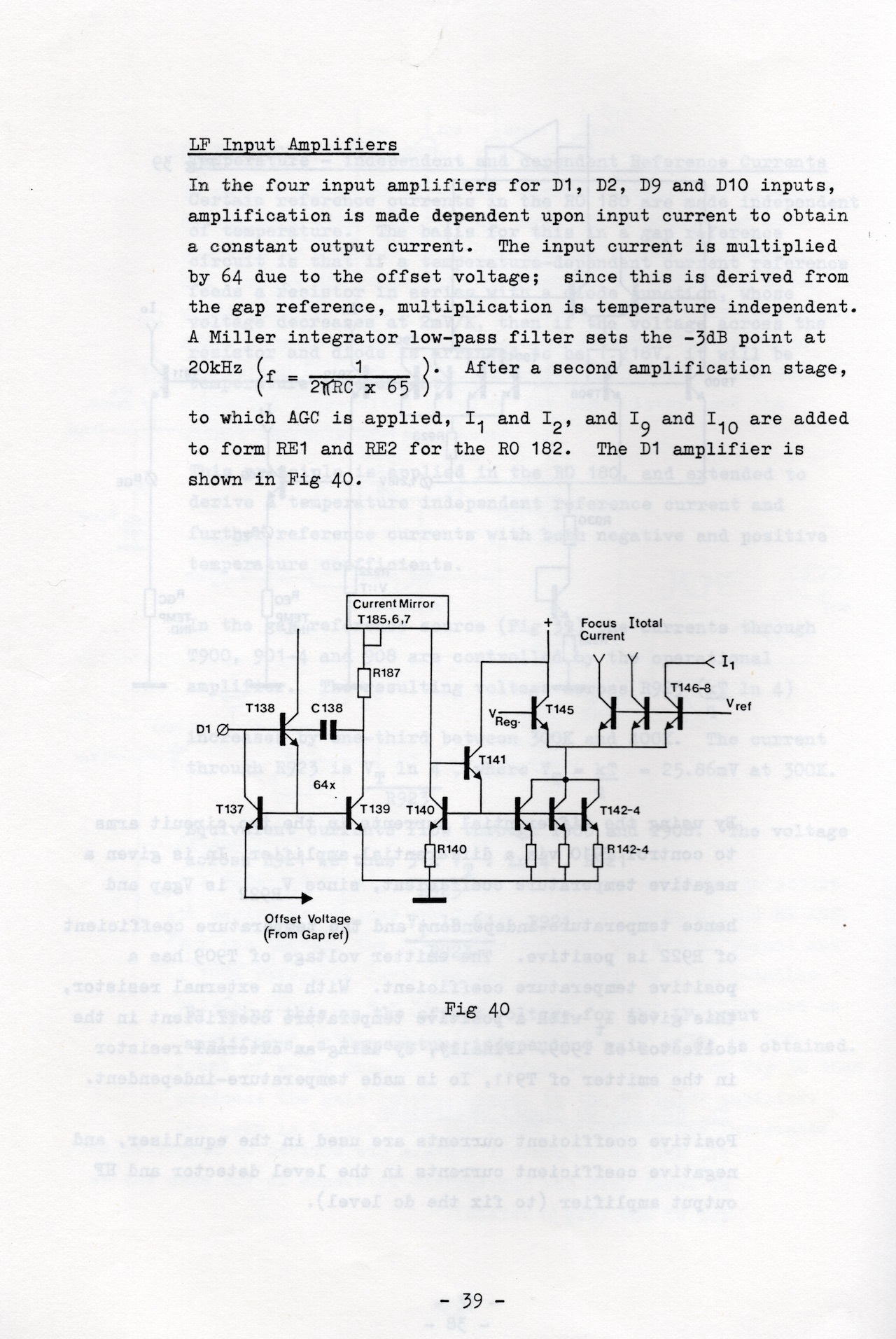
– Offset-free pre-amplifier with AGC for servo signals.
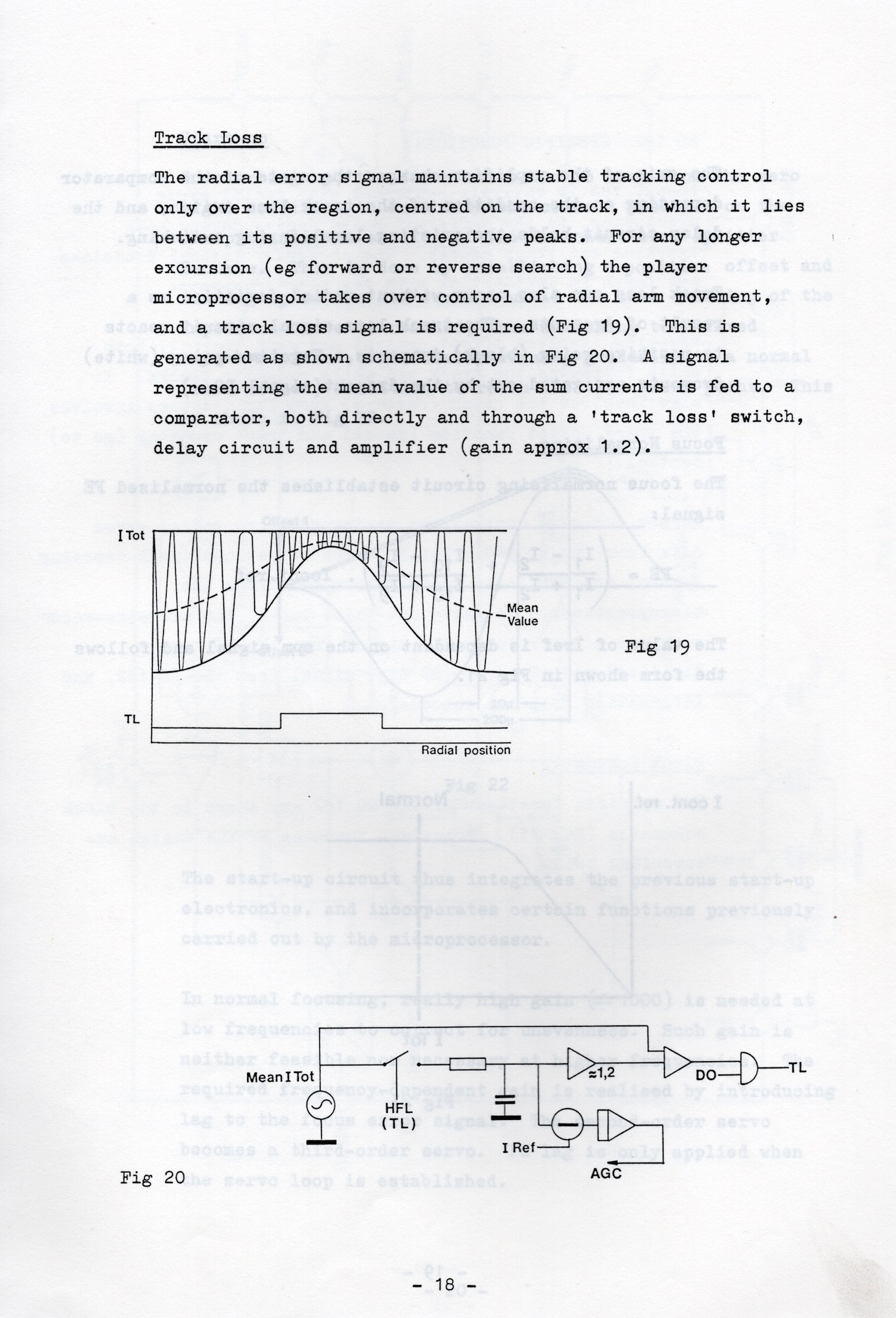
– Track Loss and Dropout detection.
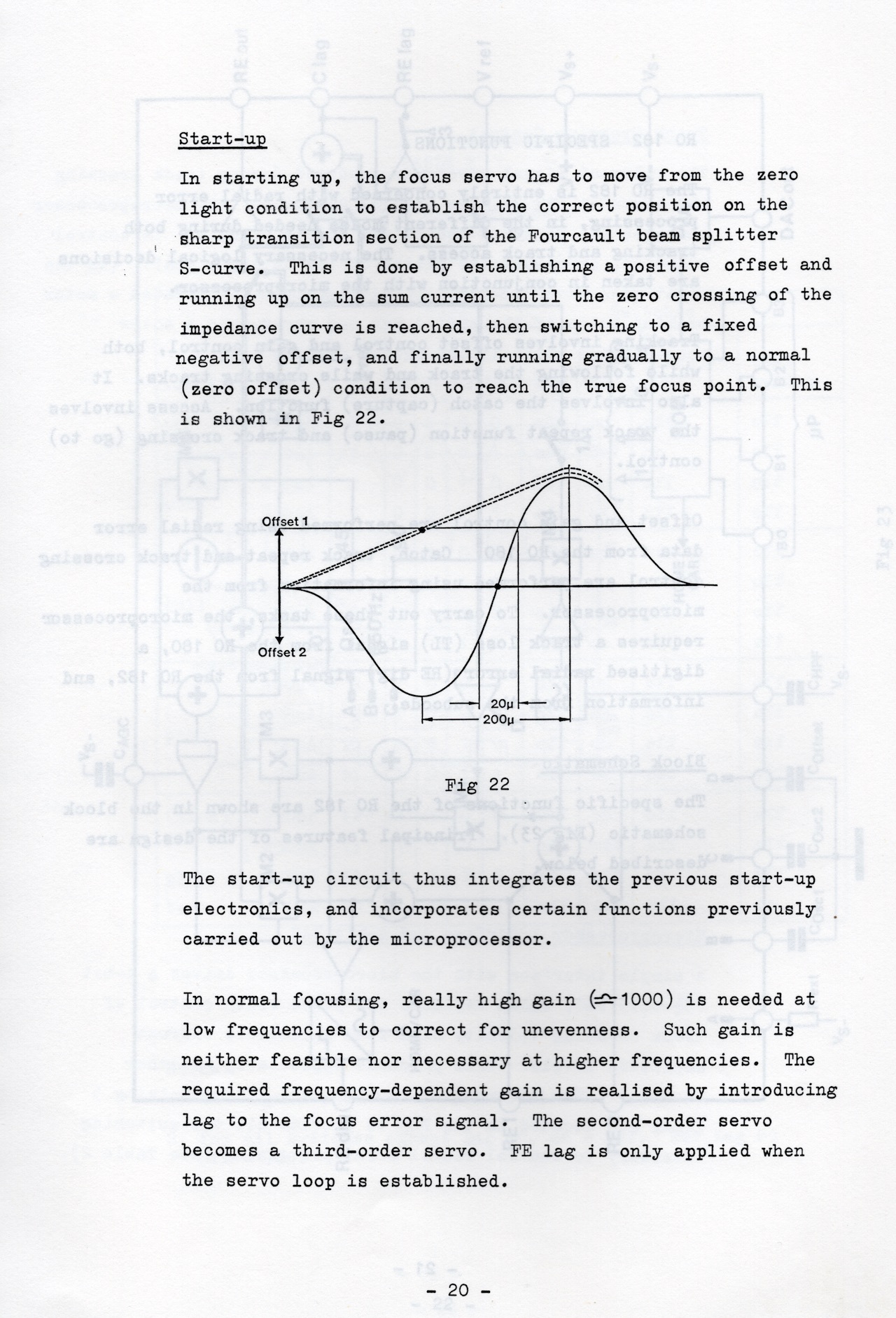
– Start-up procedure for focus.
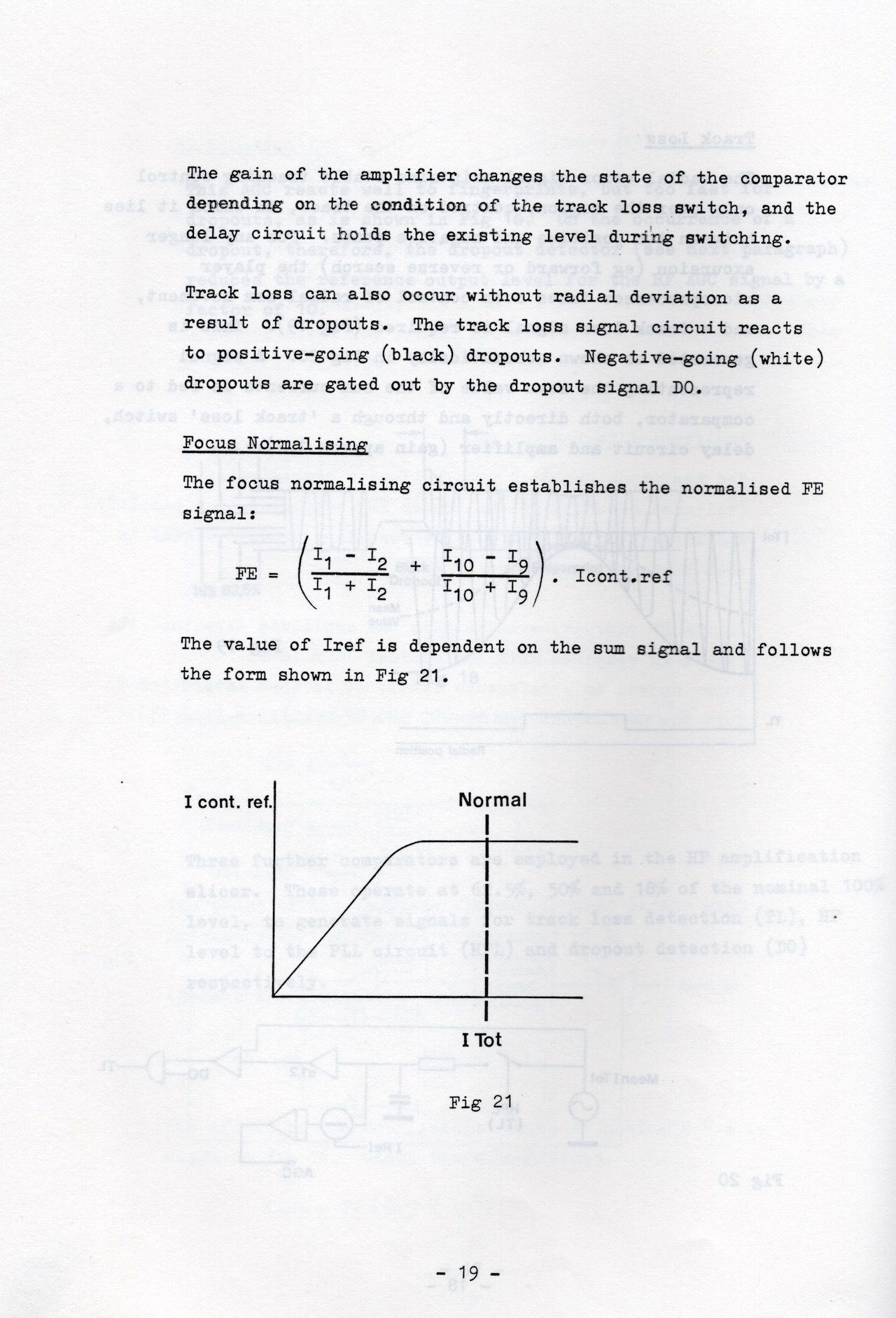
– Normalising to minimise radial error signal crosstalk in the focus error output signal.
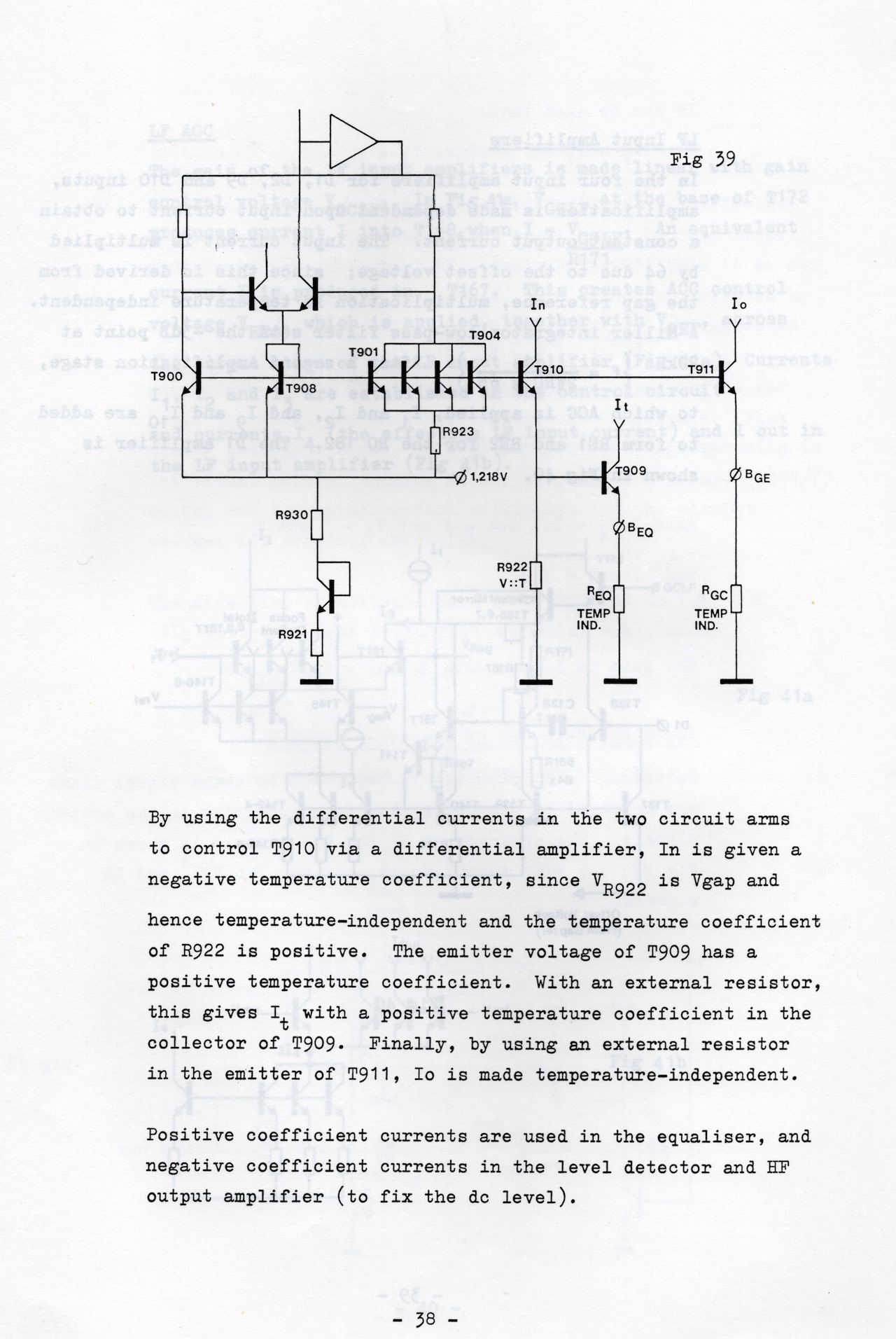
– Laser supply amplifier and reference source.
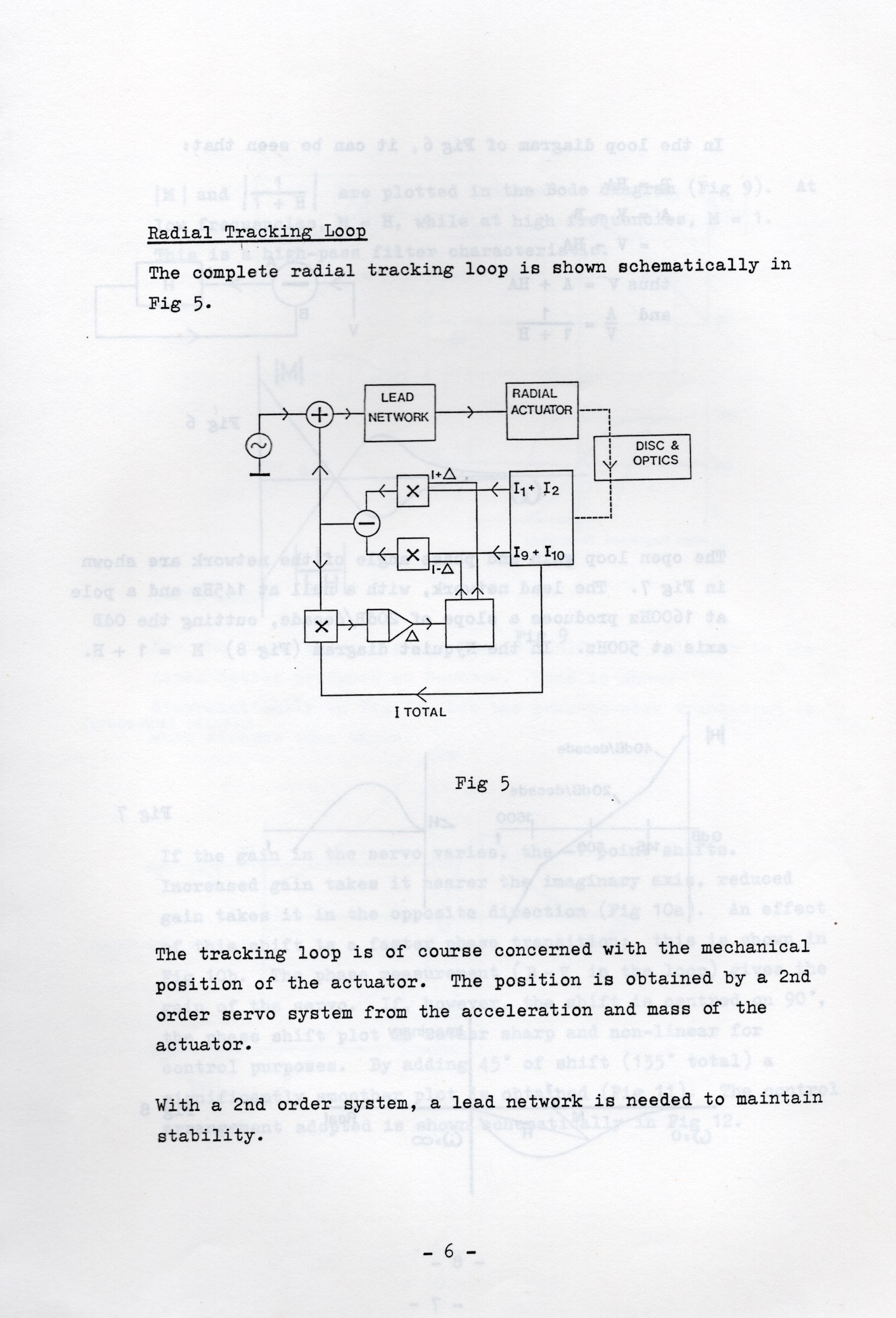
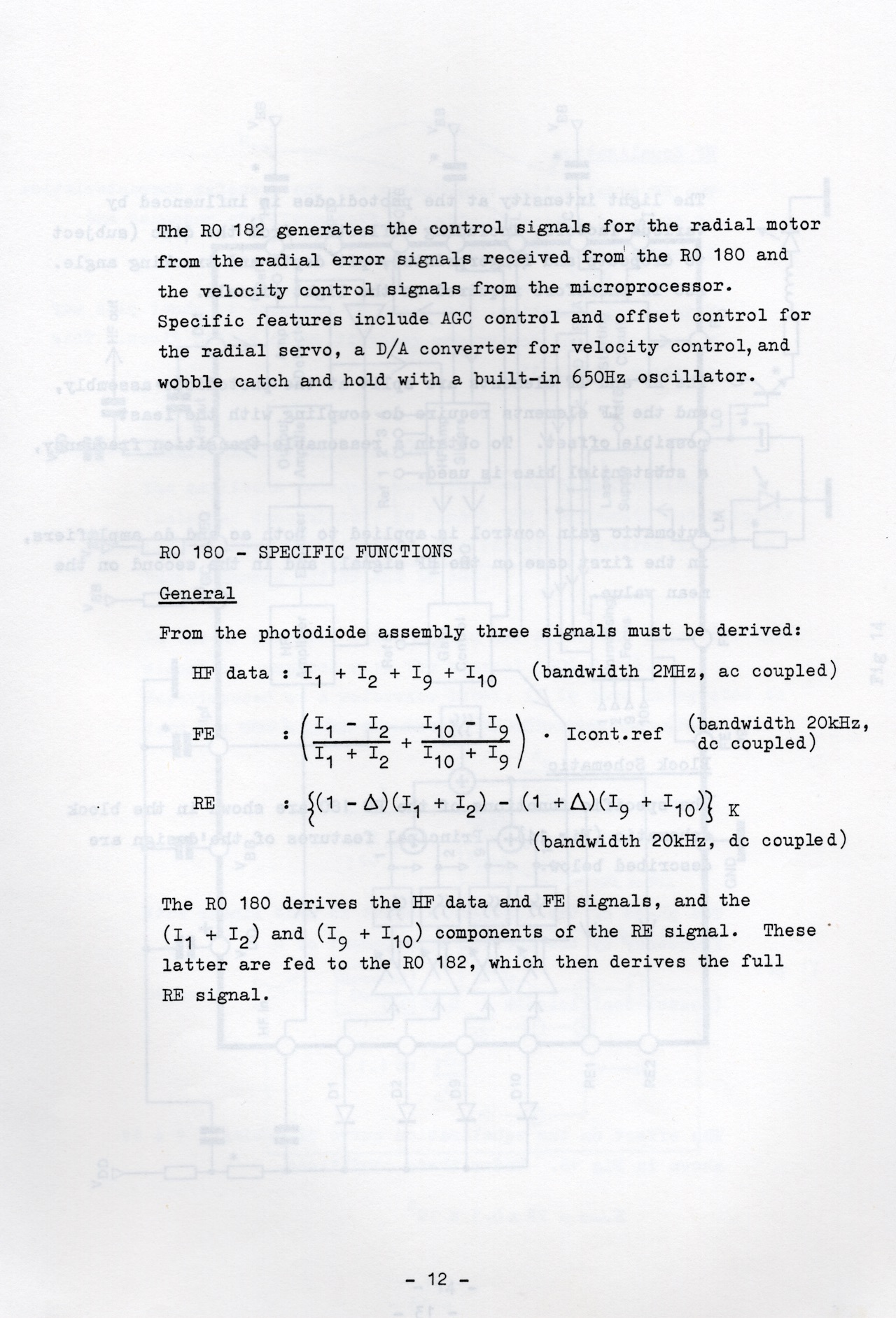
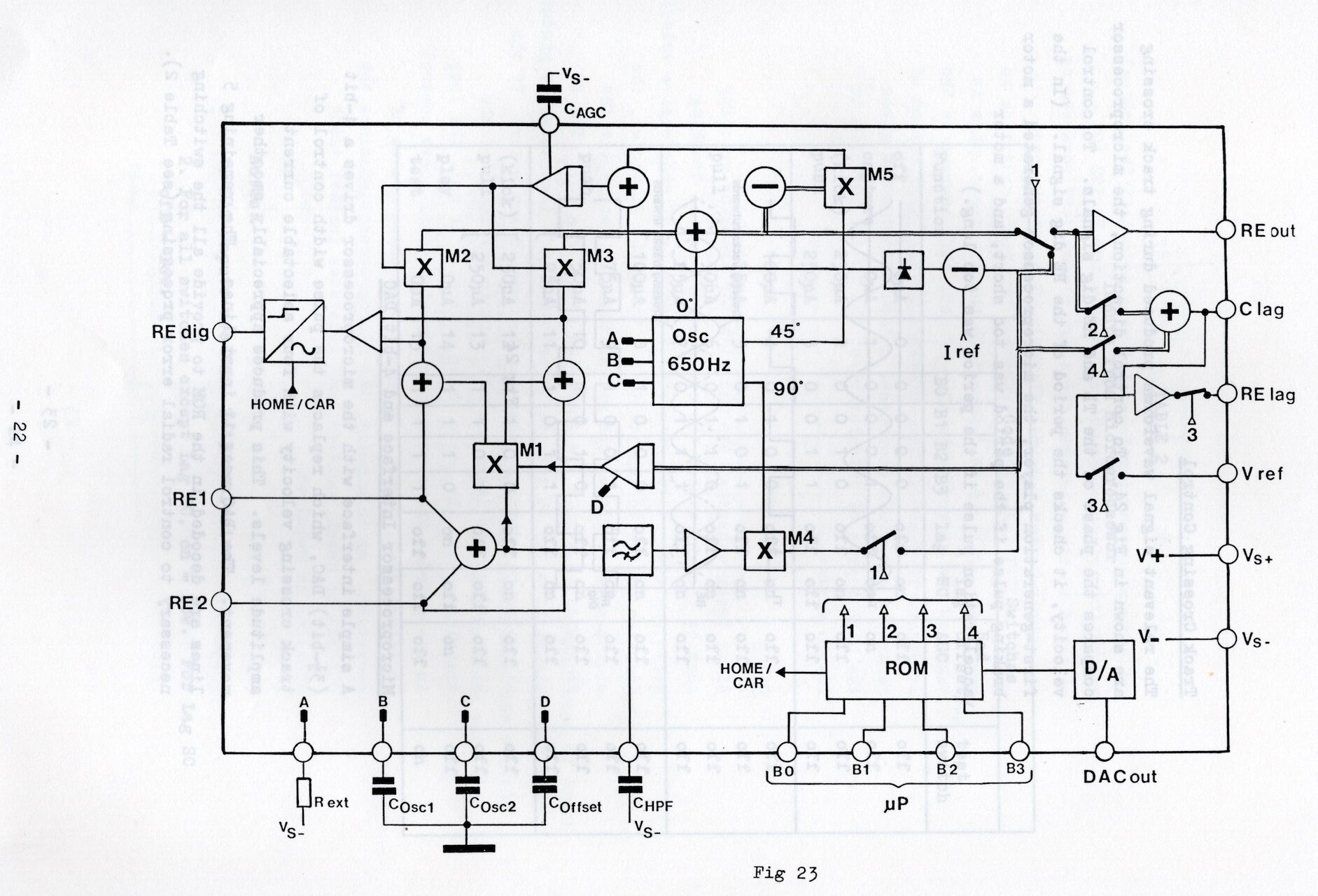
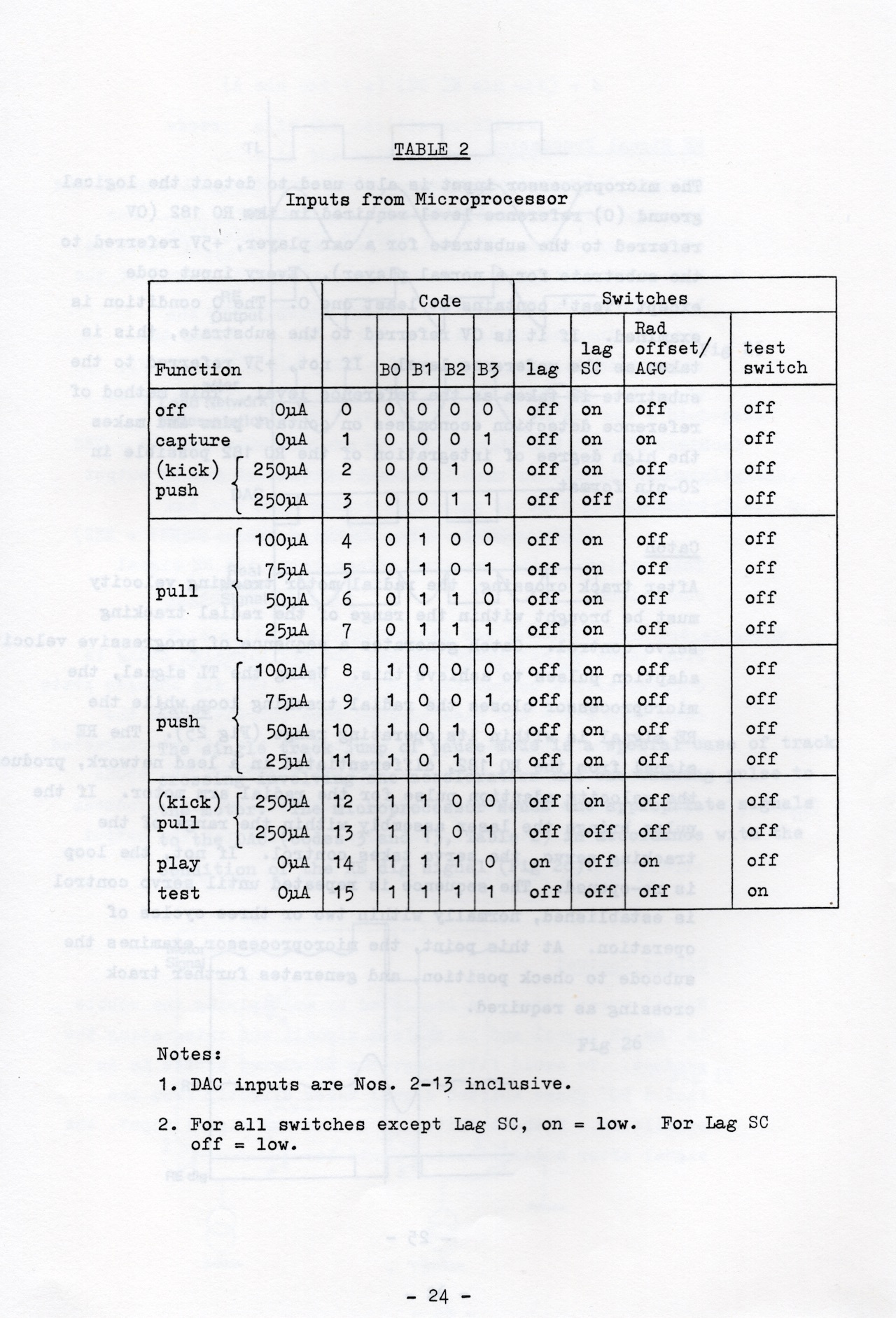
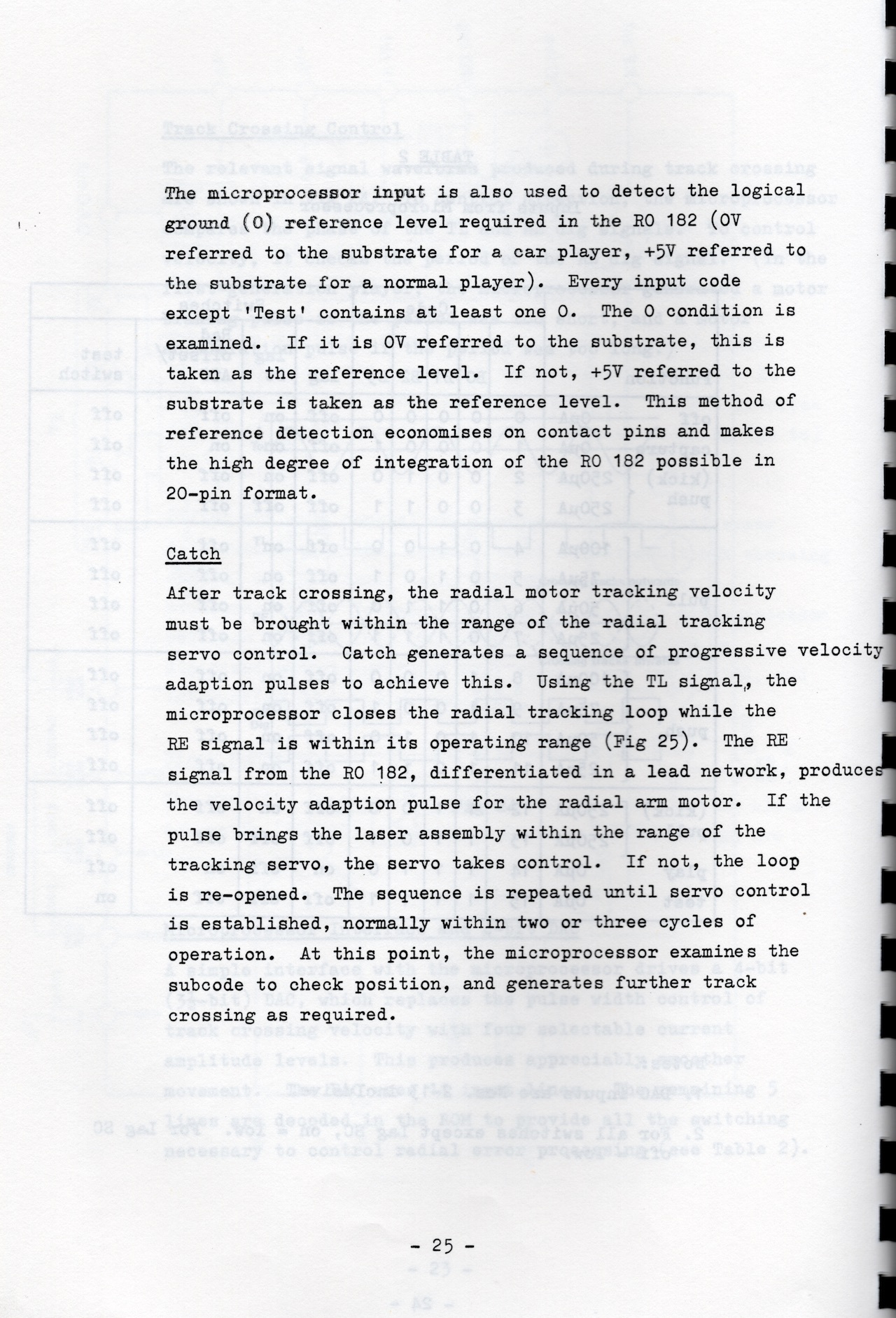
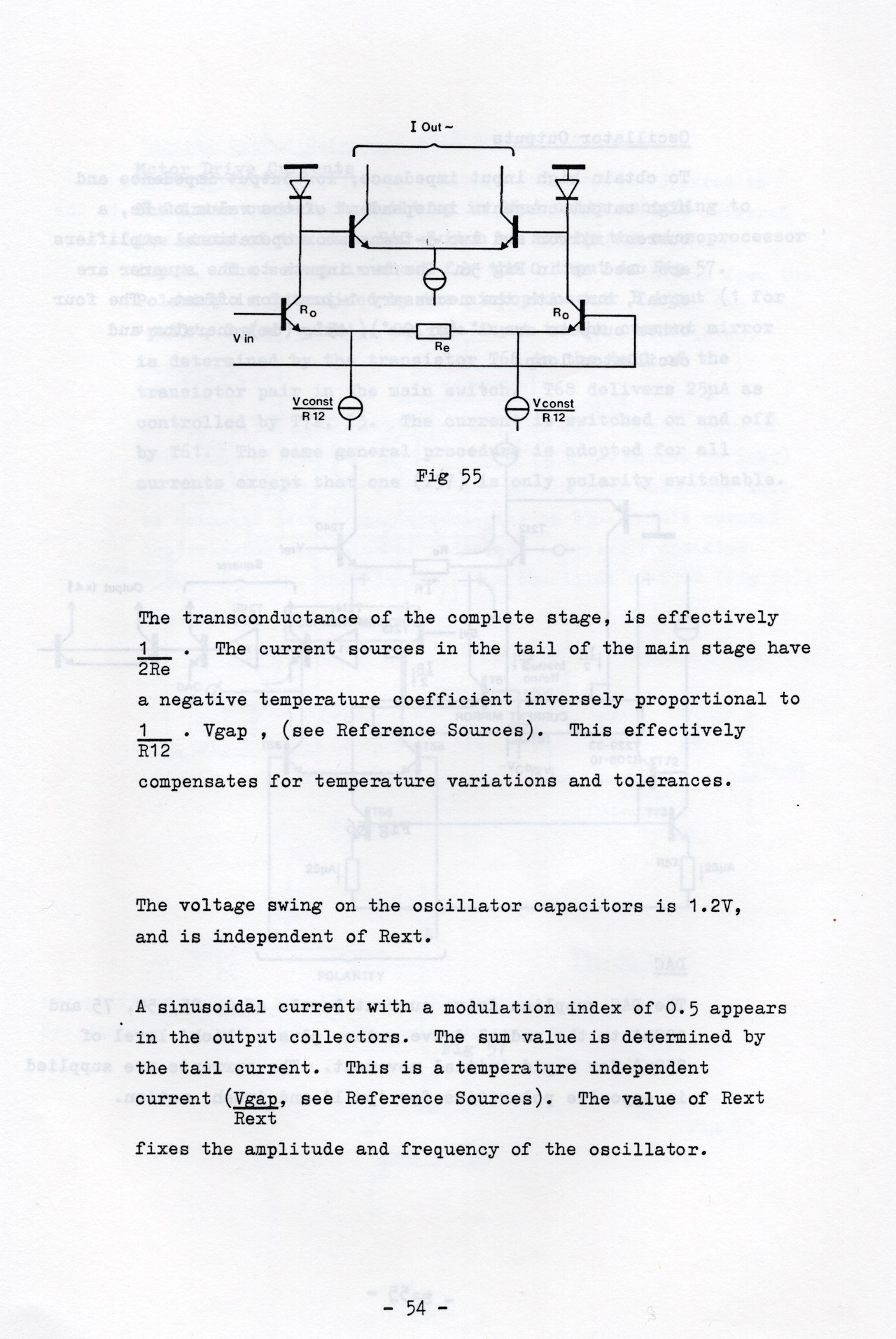
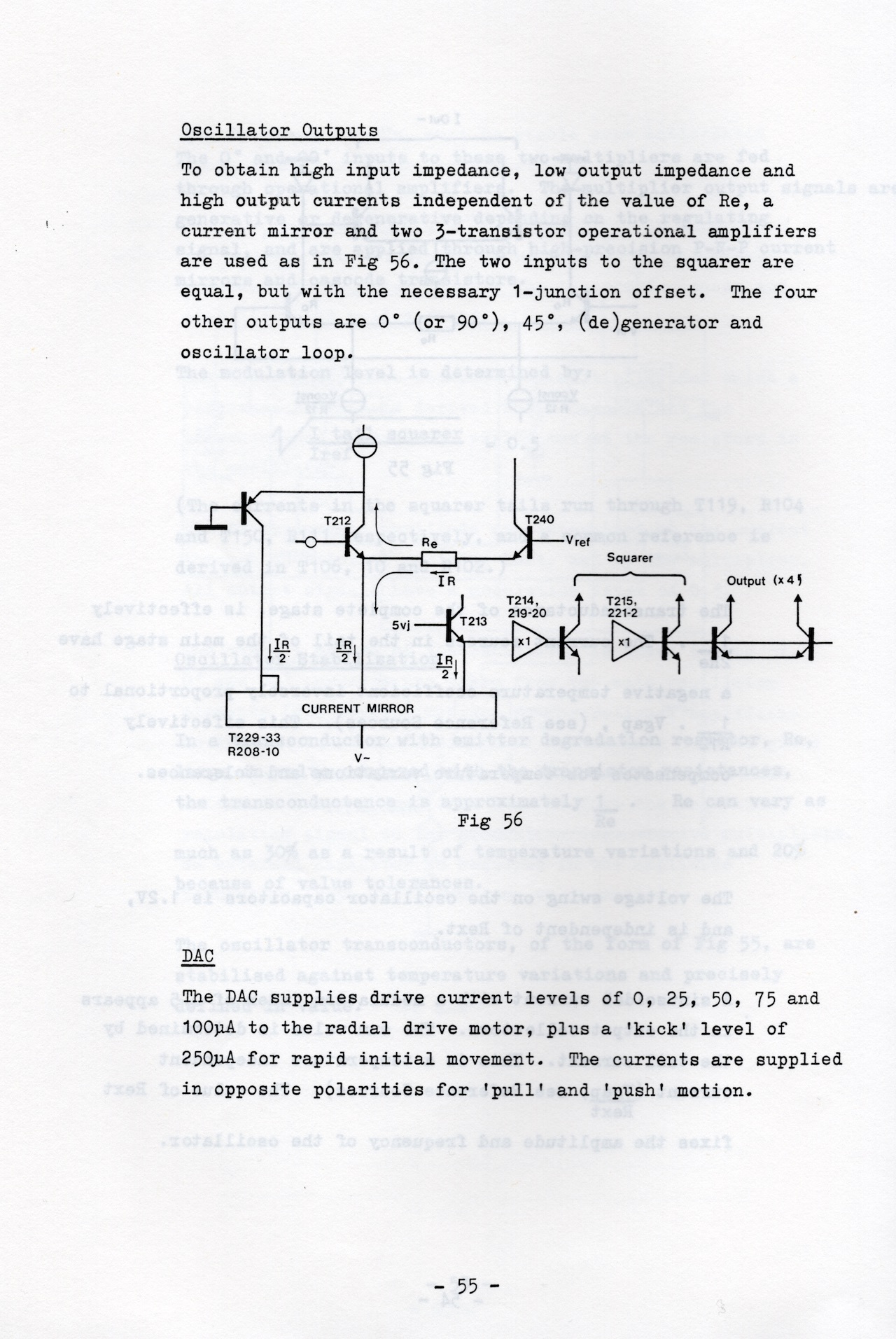
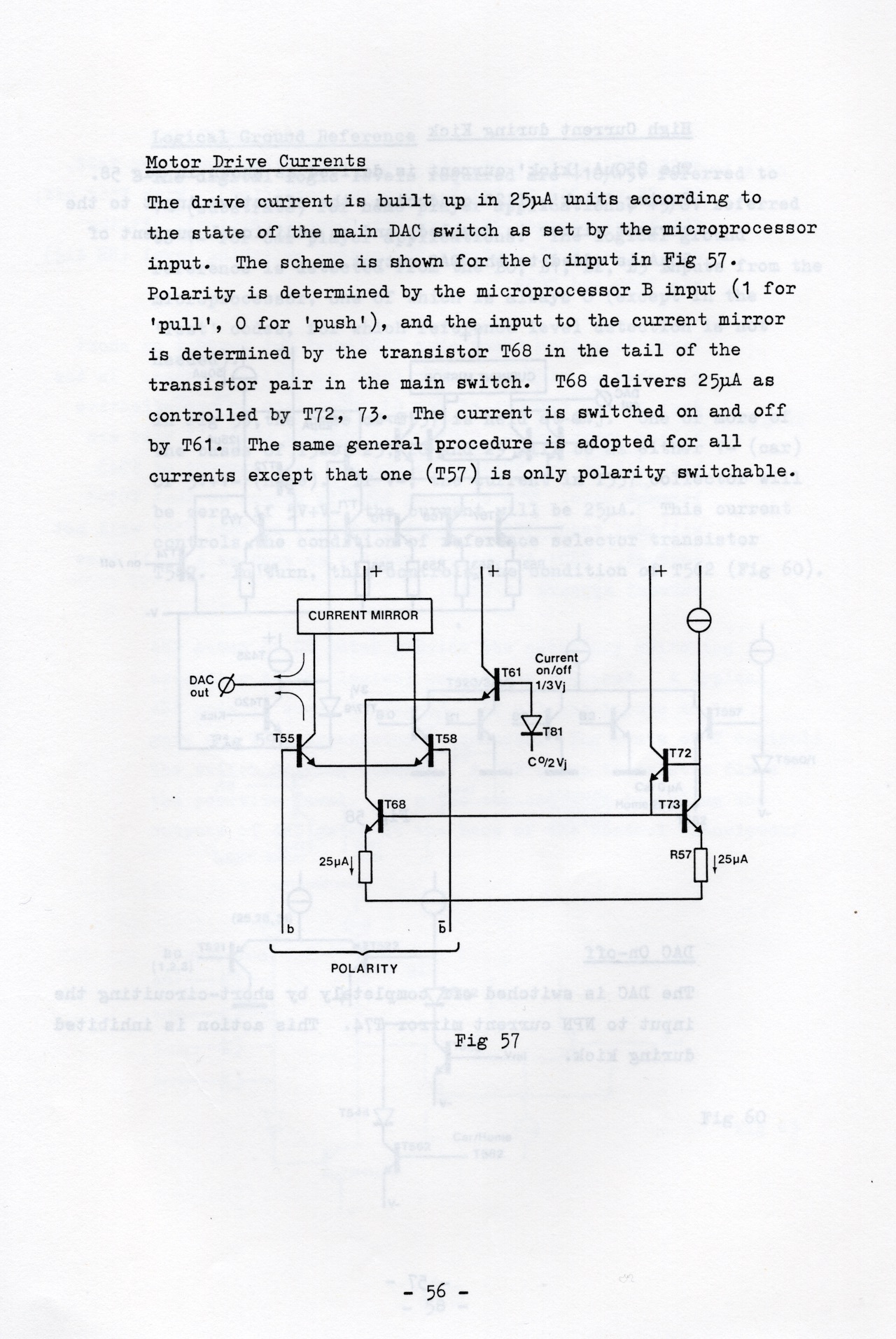
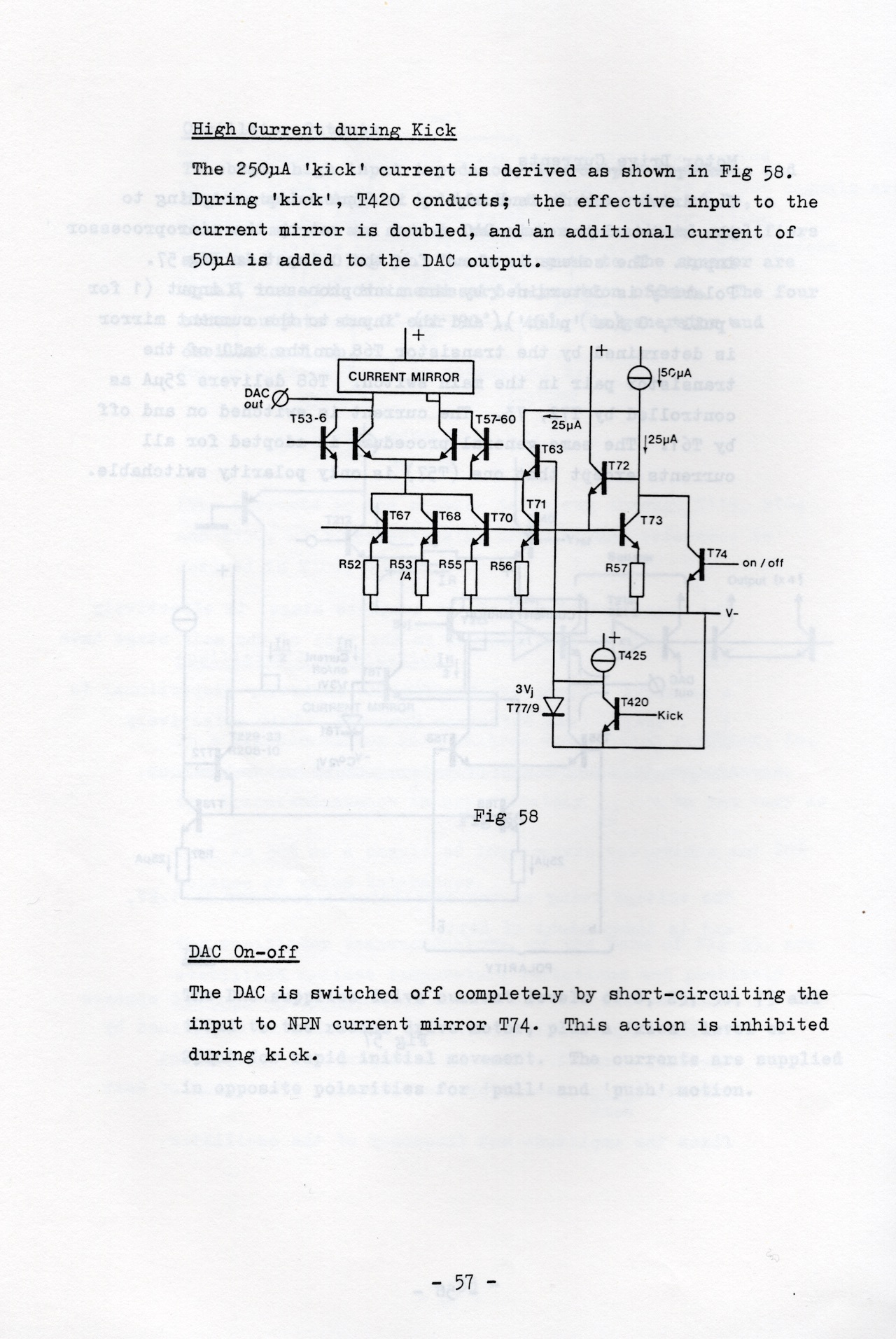
The R0182 generates the control signals for the radial motor from the radial error signals received from the R0180 andthe velocity control signals from the microprocessor.
Significant specific features include:
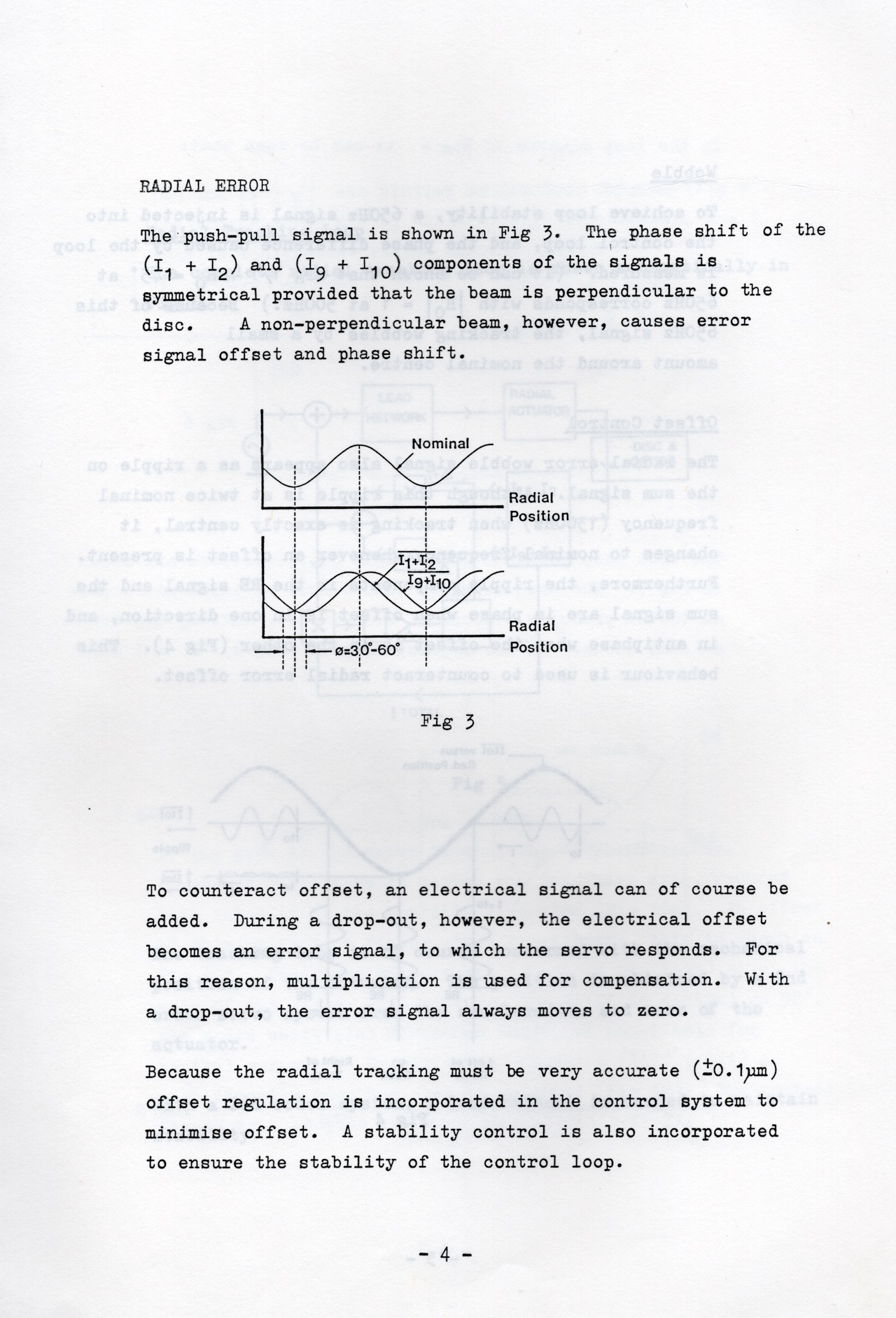
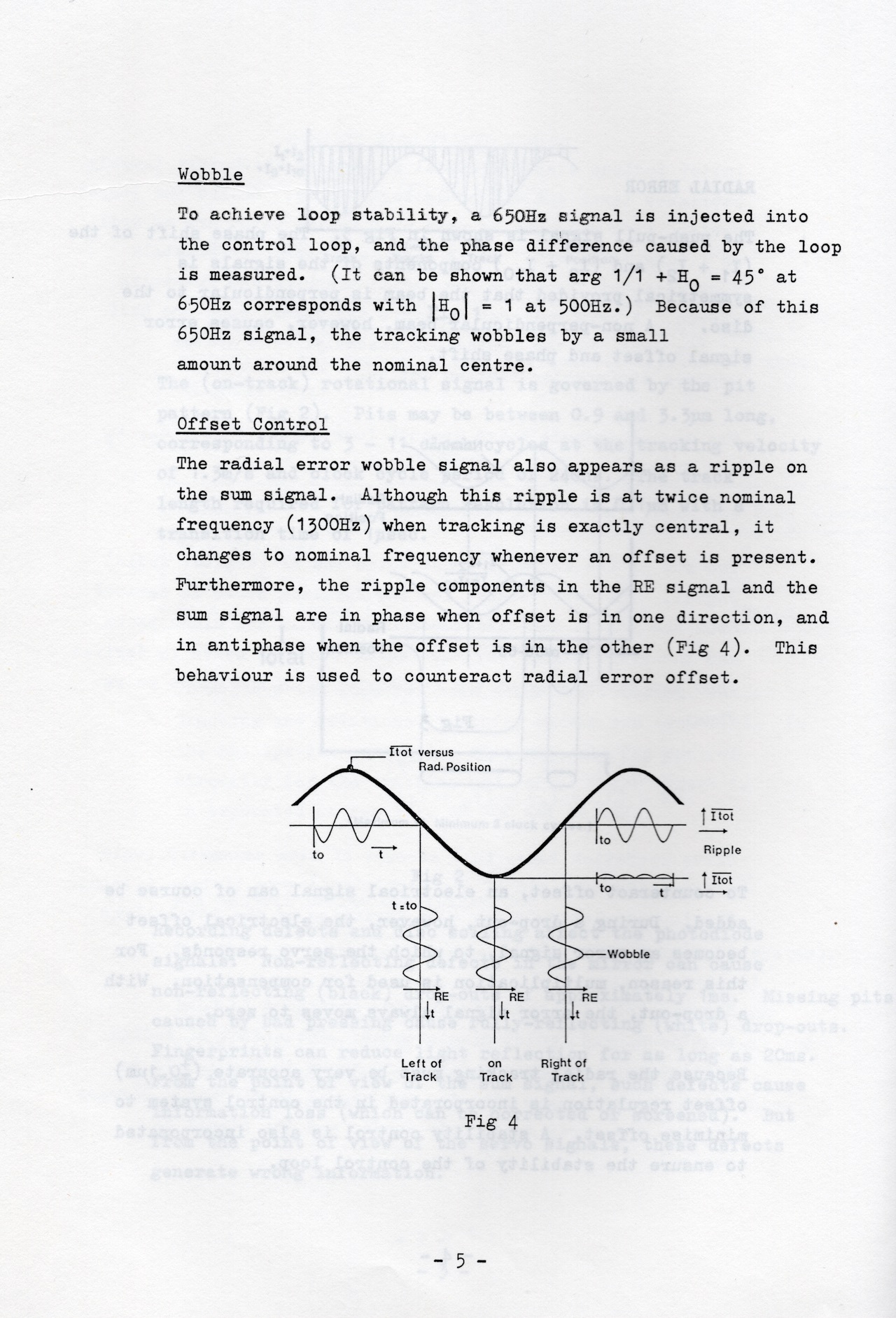
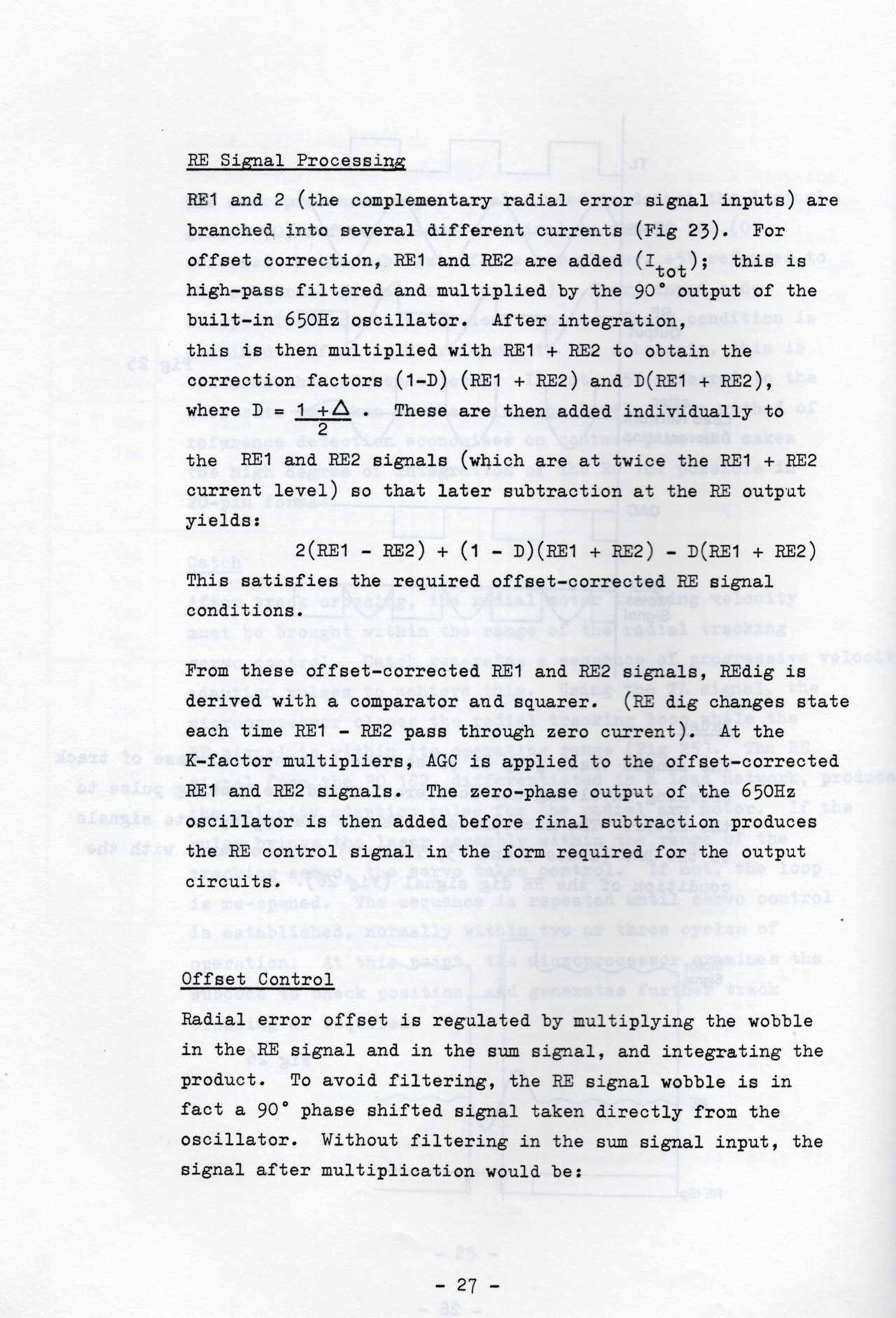
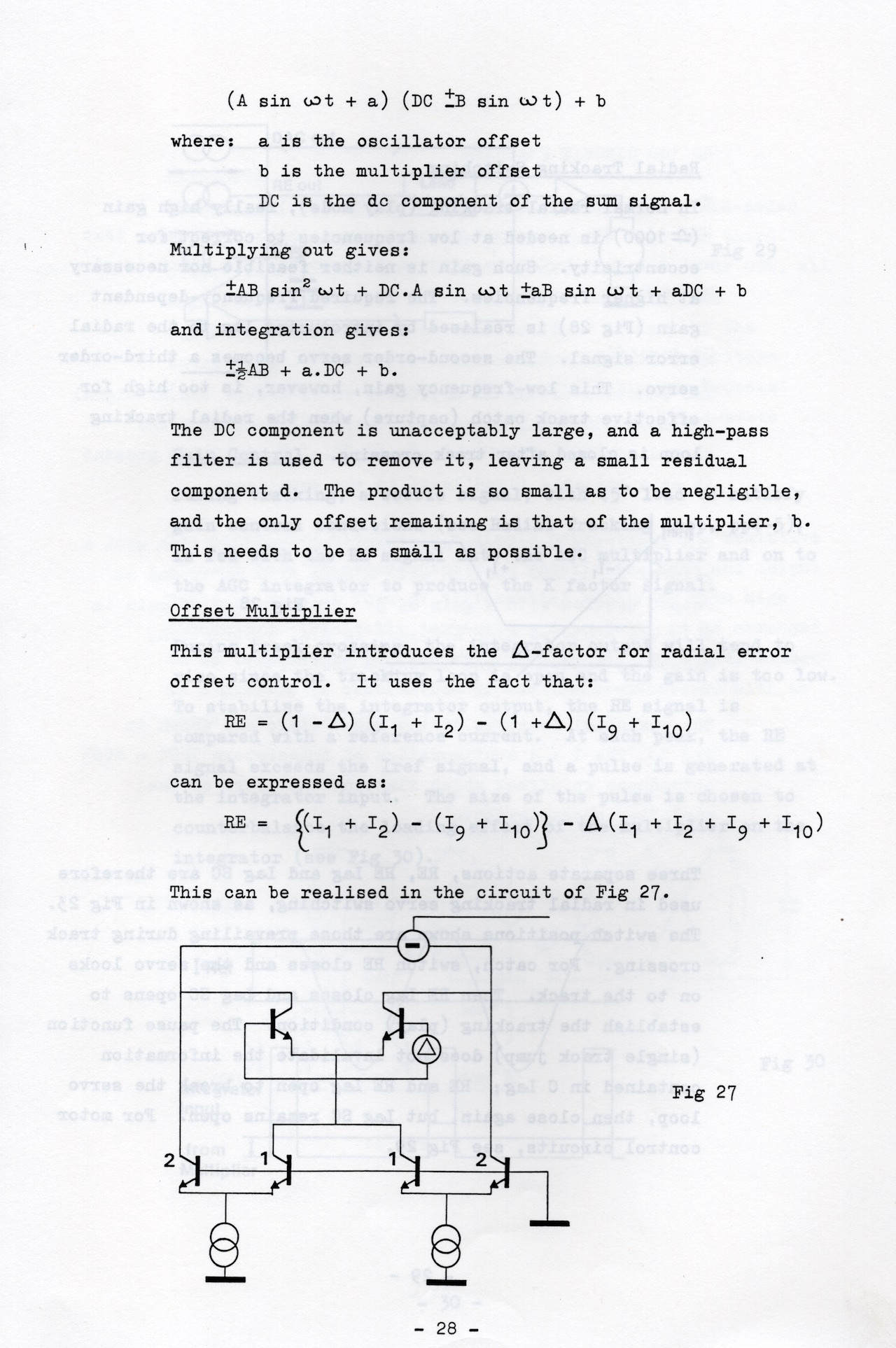
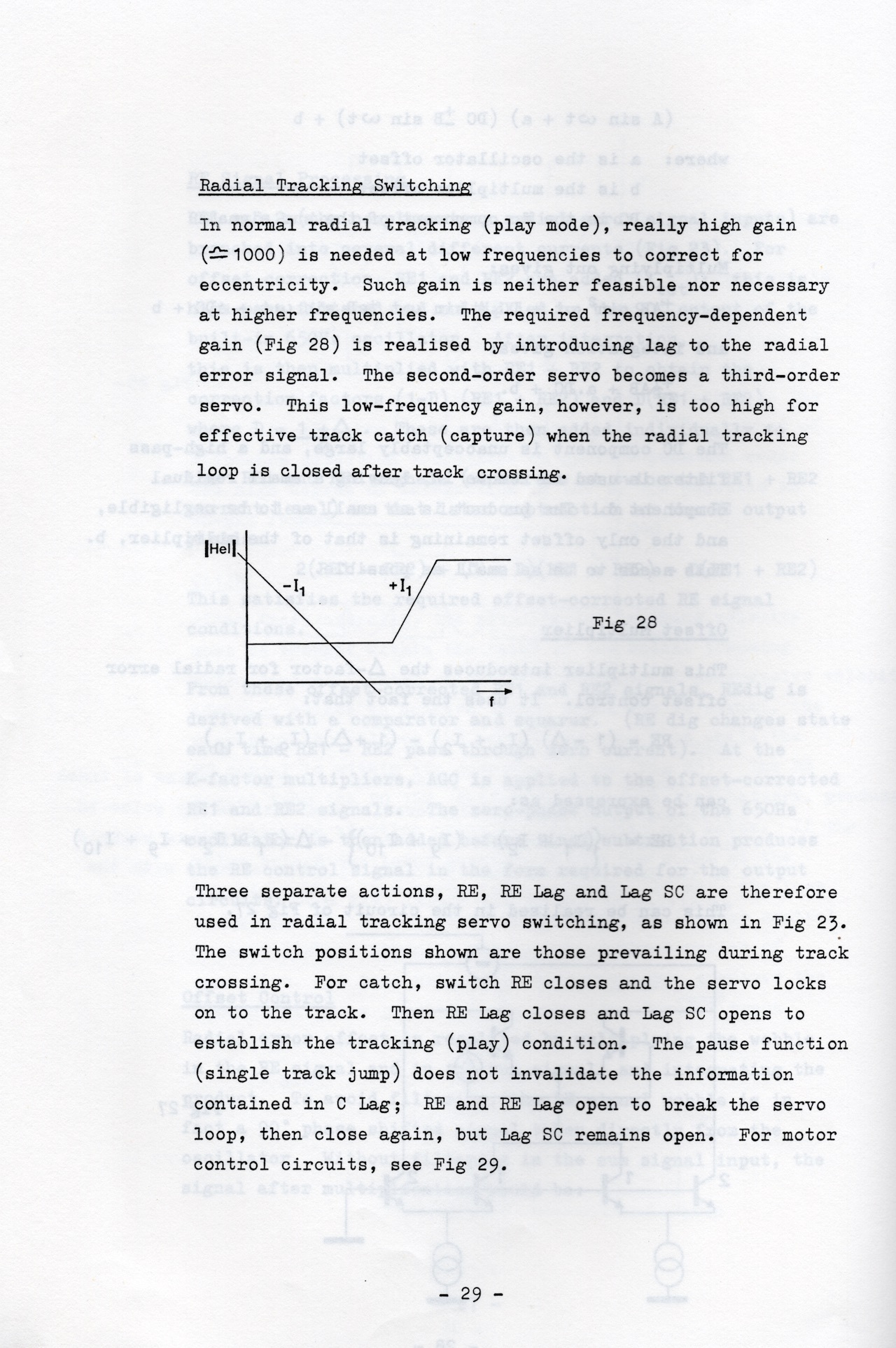
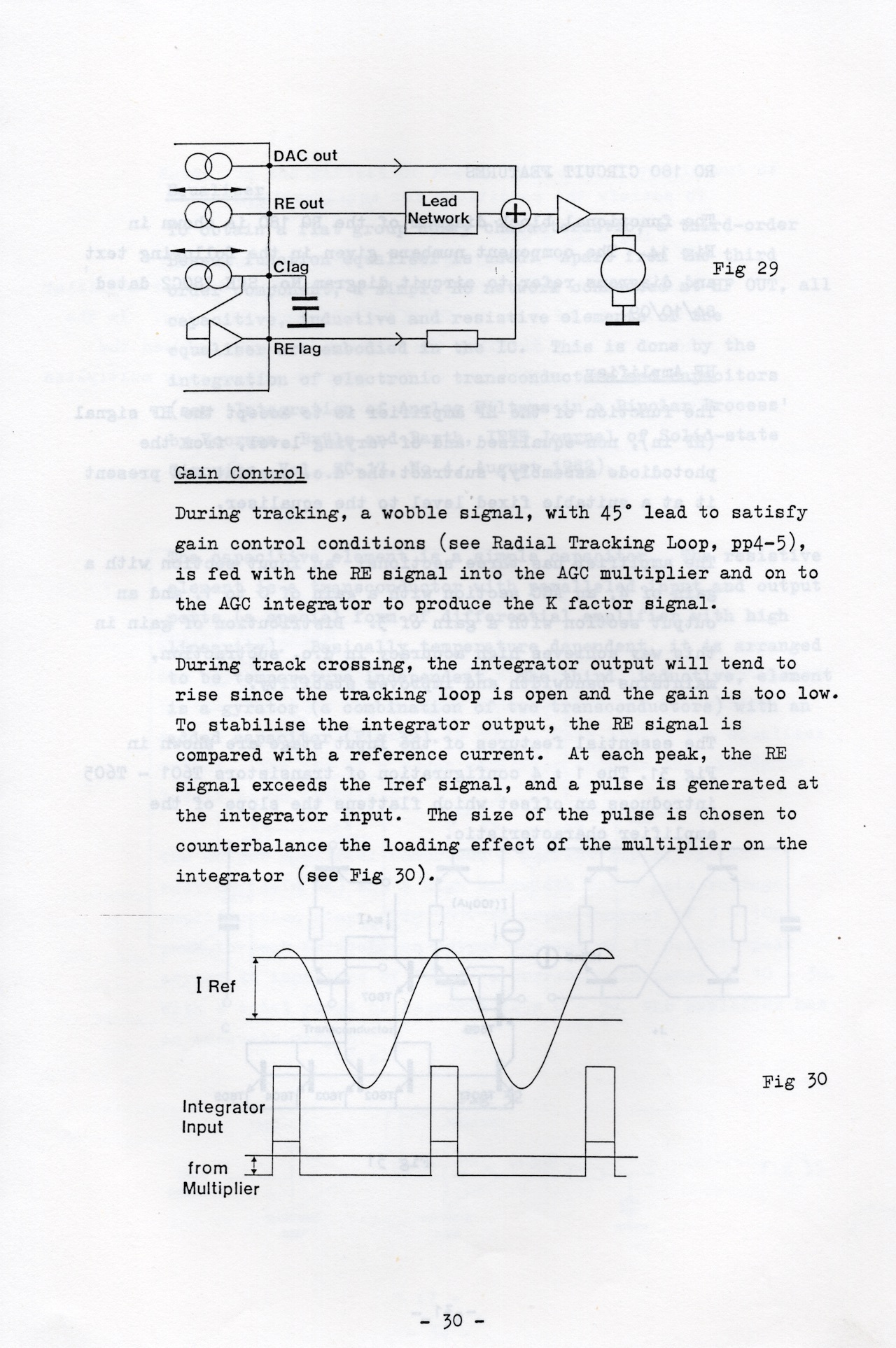
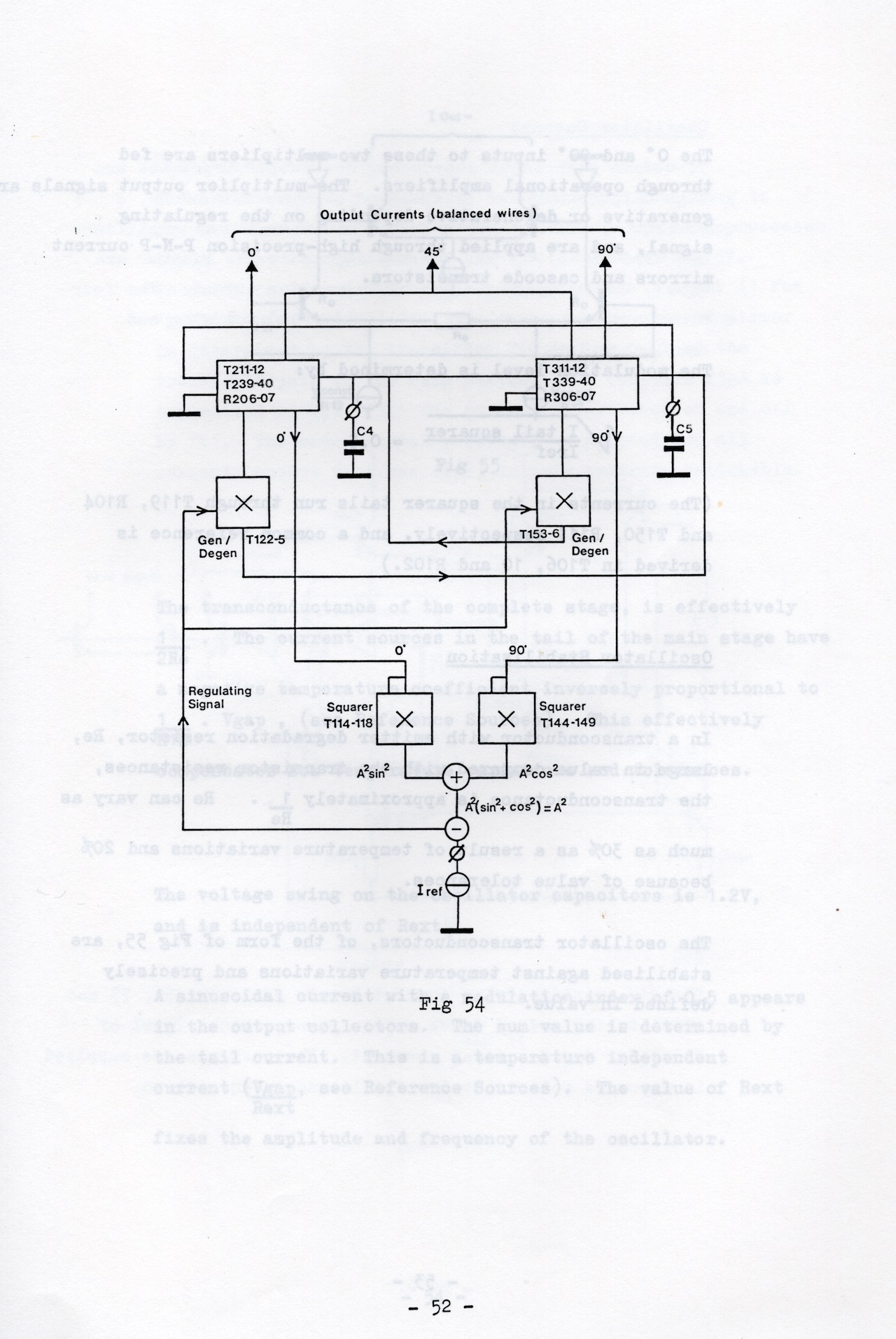
– Wobble circuitry with built-in oscillator for automatic compensation of optical offset (in the push-pull diode signal) and for AGC to the complete (radial error) servo loop •
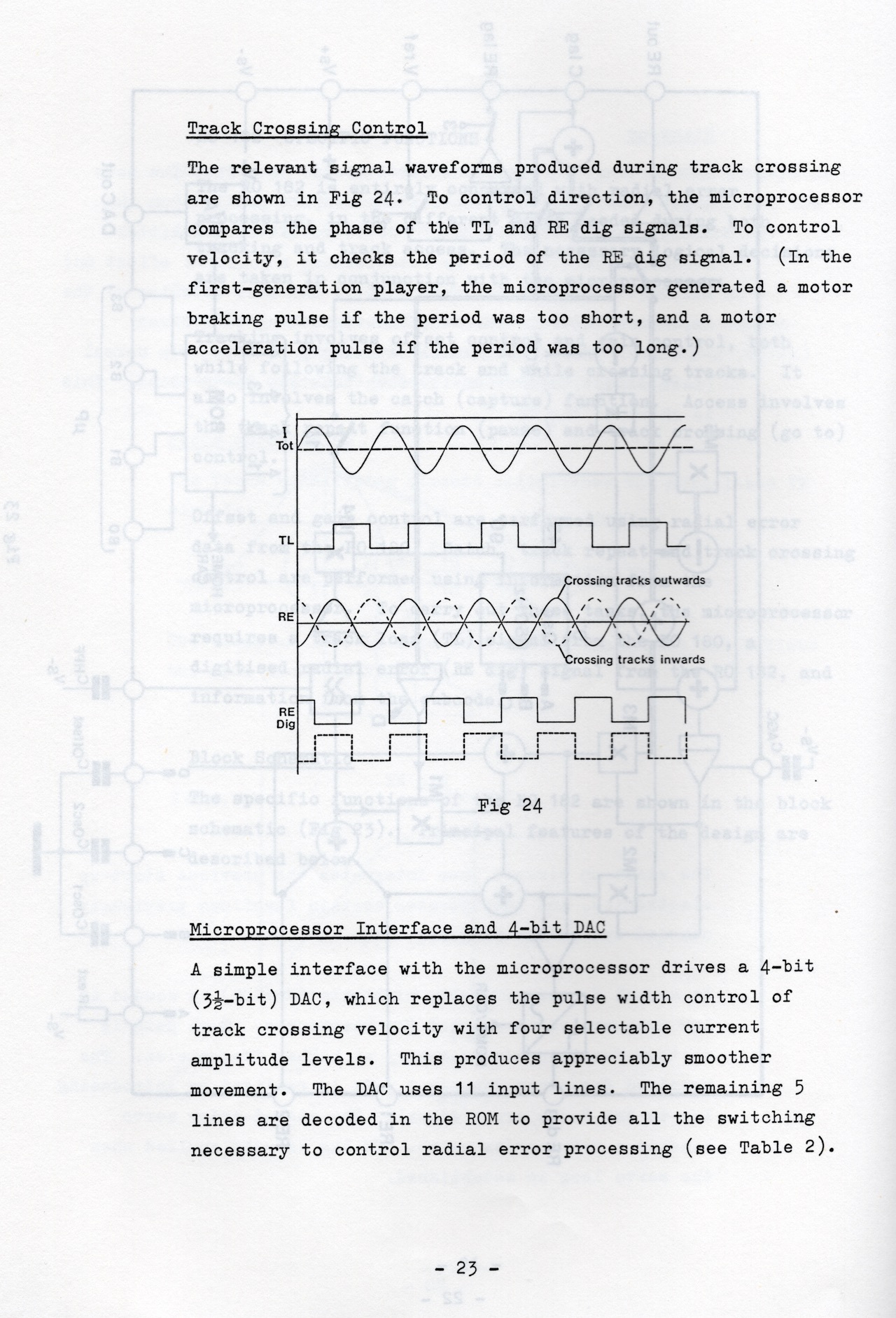
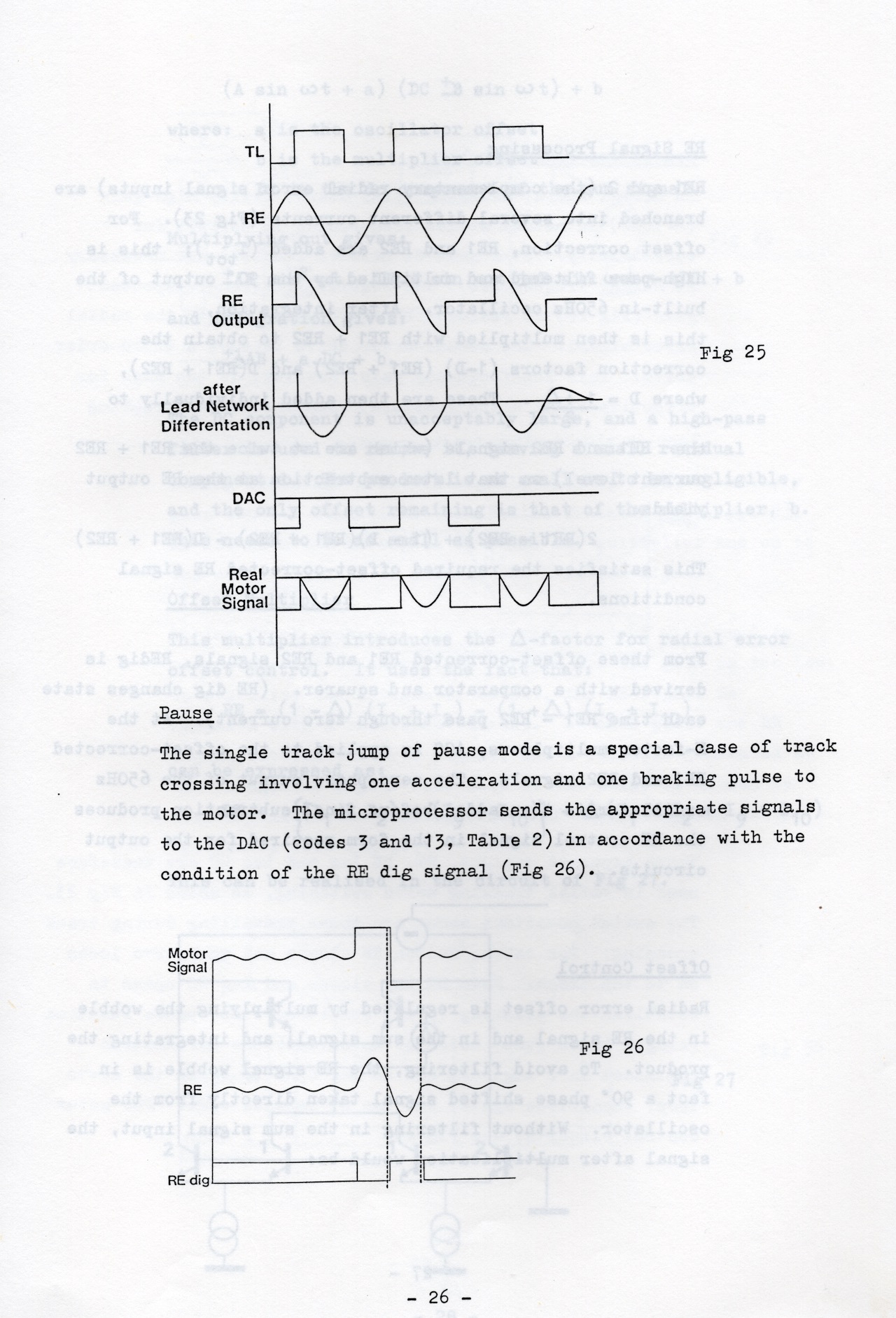
– Simple interface with microprocessor for ‘go-to’, search, pause and play mode control.
– D/A converter for smooth track crossing velocity control.